Rail Gauge Rod

Your Professional Rail Gauge Rod Supplier

HENAN GNEE RAIL CO.,LTD. is a leading Chinese manufacturer and exporter specializing in rail fastening systems and rail joints. Our core product portfolio includes steel rails, rail fasteners, bolts, nuts and screws, base plates, pads and insulating components, as well as fishplates and anchors.

High-Quality Products

Equipped with advanced manufacturing equipment and a rigorous quality control system, our facility ensures consistent strength, durability, and performance across all production batches.

Customized Solutions

We accept OEM and ODM orders and provide comprehensive, one-stop solutions tailored to the needs of international railway infrastructure projects.


Quality Certifications

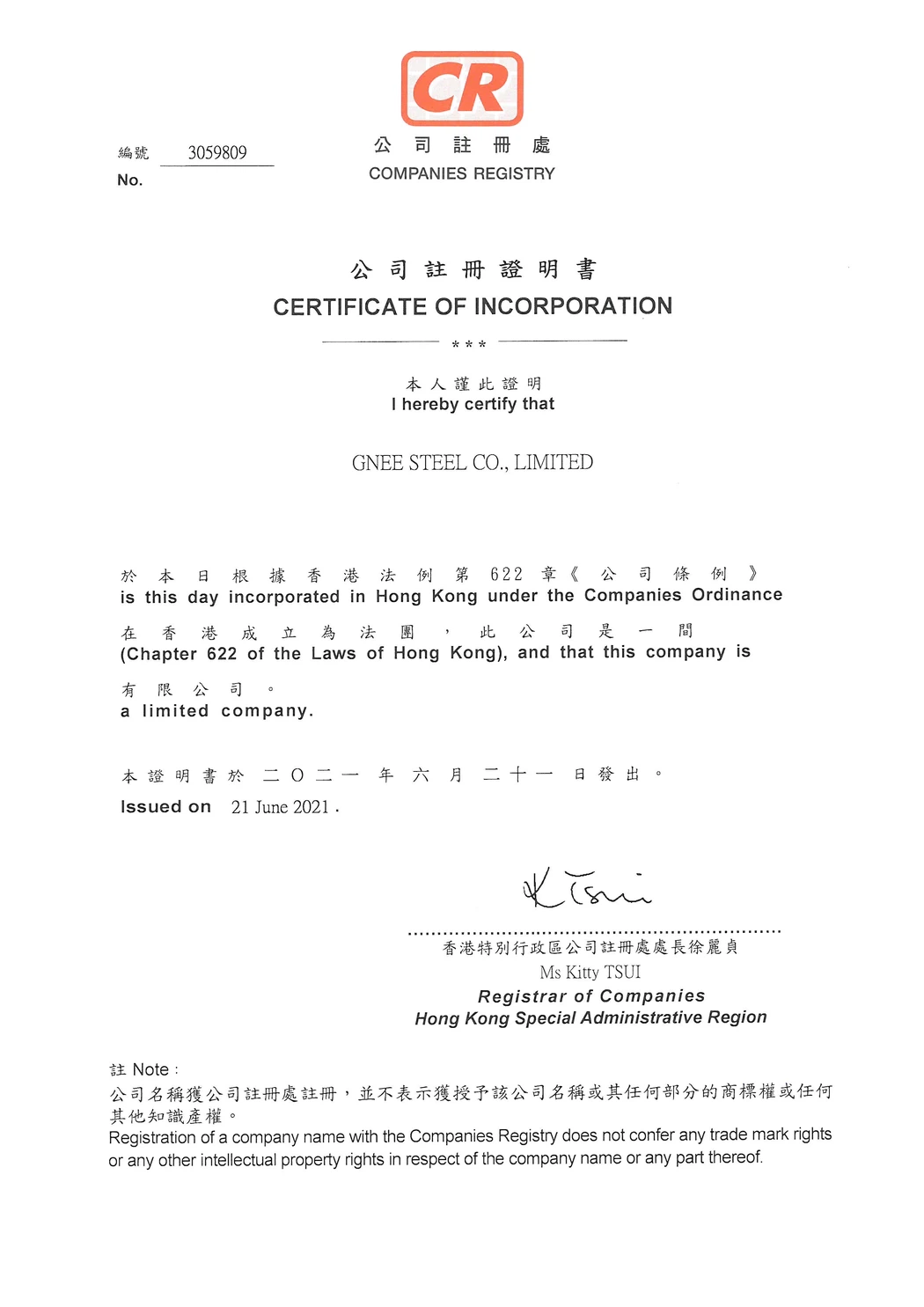
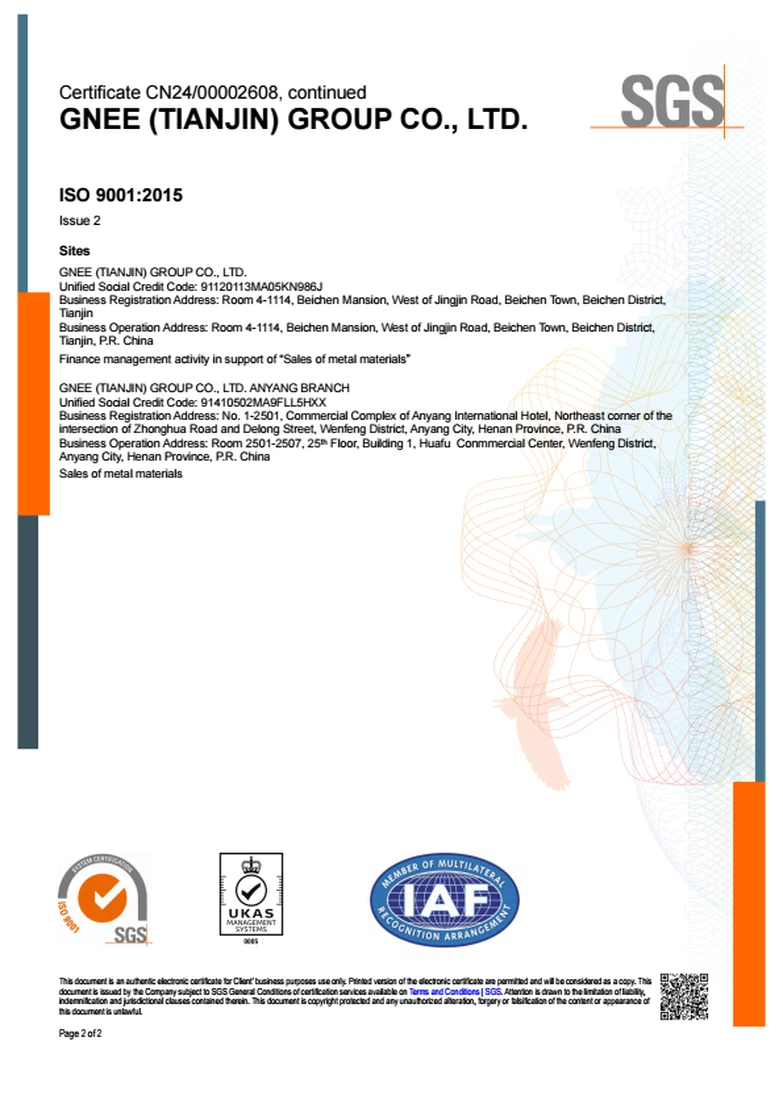
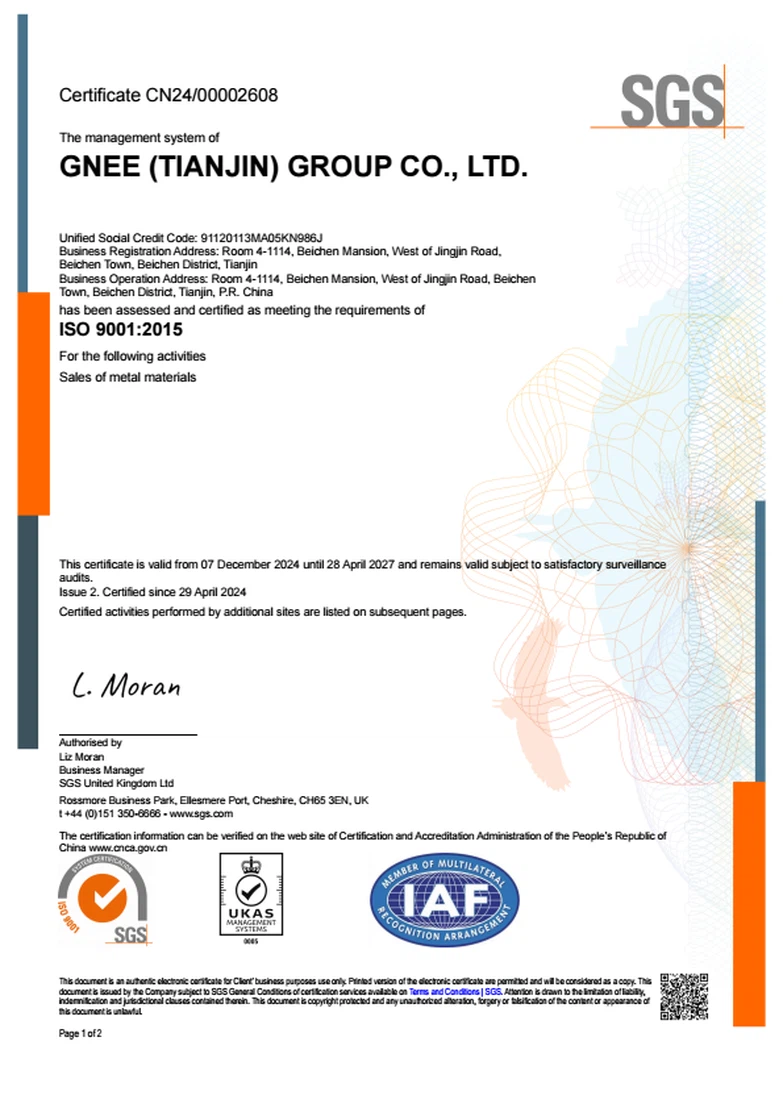
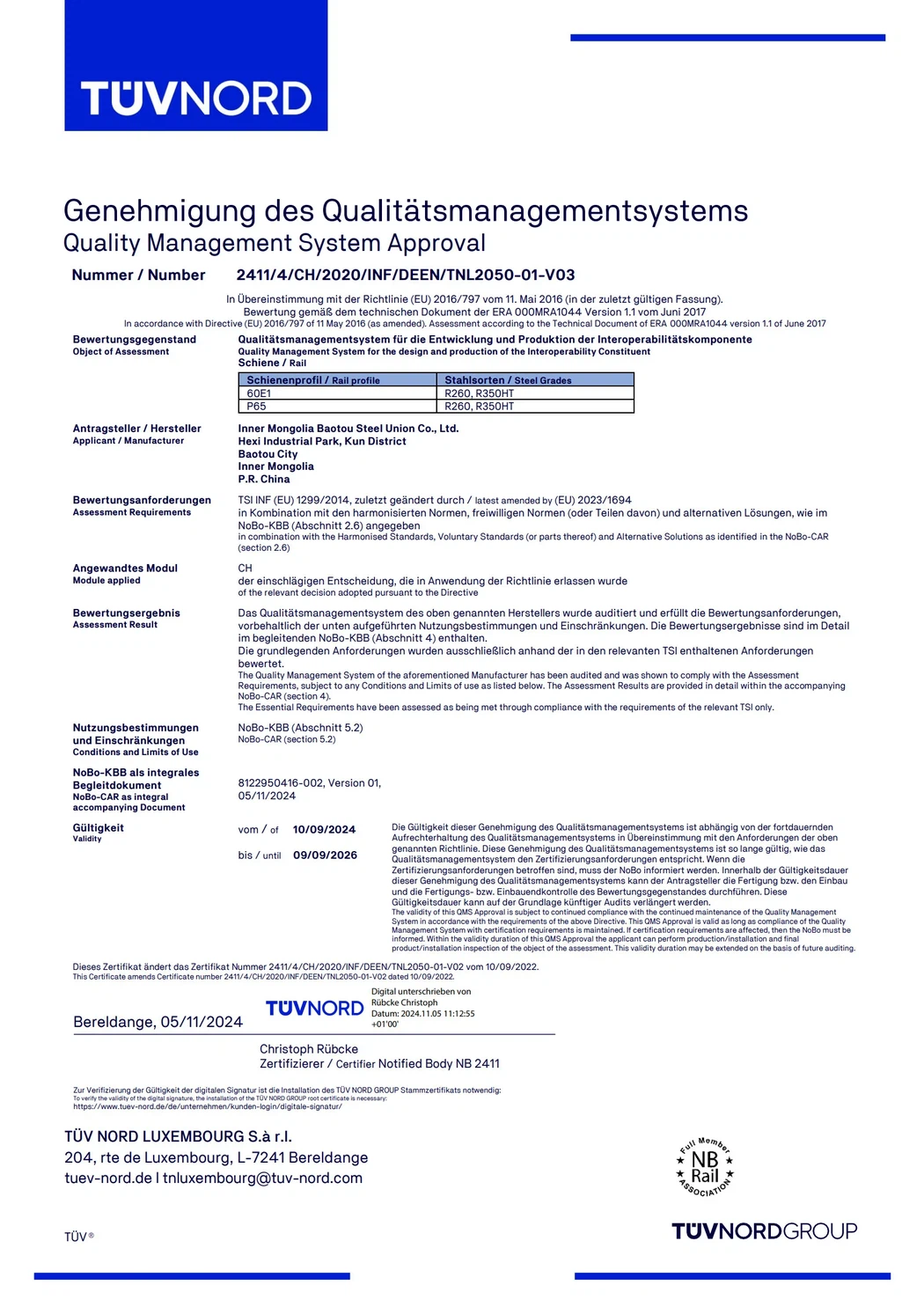
GNEE RAIL holds multiple internationally recognized certifications, including CNAS (China National Accreditation Service for Conformity Assessment), ISO 9001, CE, and SGS, demonstrating our compliance with global quality and safety standards.

Global Market Presence

The company has been dedicated to the research, production, and supply of railway tracks and fastening systems, exporting to more than 160 countries and regions worldwide, including South America, Africa, Latin America, Europe, and the Middle East.


Specification


No.

Part

Quantity

Specification

Material

1

Rod

1

M30 M36

3#

2

Iron card

4

I type II type

KTH350-10

3

Plain washer

4

M30 M36

3#

4

Nut

4

M30 M36

3#

5

Spring washer

4

M30 M36

65Mn


Rail Gauge Tie Rod - Railroad Fasteners


Advantages of Rail Gauge Rod

1. Rail gauge rod has the advantages of simple structure and easy installation.


2. Rail gauge rod has the advantages of high precision and high rigidity.


3. Rail gauge rod has the advantages of larger working stroke and larger bearing capacity.


4. Rail gauge rod has the advantages of high reliability and long service life.


5. Rail gauge rod has lower friction loss and smaller transmission error.


Installation Precautions for Rail Gauge Rods
 
01/

During installation, pass the rod body through the lower side of the two rails and accurately place it at the intended installation position to ensure alignment with the track centerline.

02/

Sequentially fit the nuts, spring washers, flat washers, iron clip gaskets, and iron clips on the inner side of the rail onto the inner end of the gauge rod, ensuring they clamp the rail base tightly with all components fitting closely together.

03/

Assemble the iron clips, iron clip gaskets, flat washers, spring washers, and nuts on the outer side of the rail respectively in place, making sure they clamp the rail base, thus completing the installation of components on both sides.

04/

When installing the iron clip gasket, strictly distinguish the direction: the double holes on the outer side of the rail face upward, and the single hole on the inner side of the rail face upward. The right-angle edge of the gasket should be closely attached to the iron clip.

05/

After the components are installed, use special tools to tighten the nuts in the order of "first tighten the inner side, then tighten the outer side".

06/

After the installation of the insulated gauge rod, measure the vertical gap from the rail bottom to the top of the sleeve, which should not be less than 5mm to ensure the insulation performance and the rationality of track stress.


Maintenance Recommendations for Rail Gauge Rods

1. Recommends regular comprehensive inspections of the quality of iron clips and rod bodies, focusing on checking for deformation, cracks, rust and other issues, and promptly replacing substandard products to ensure the safety of the track structure.


2. Regularly re-measure the nut locking torque. If the torque value is found to be substandard, timely reinforcement or replacement measures should be taken to prevent gauge deviation due to loosening.


3. For insulated gauge rods, the insulation resistance in a humid state should be regularly tested to ensure that the insulation performance meets the standards, prevent safety hazards such as electrical connection, and ensure the safe operation of electrified railways.

Rail Gauge Tie Rod - Railroad Fasteners


How to Get a Quotation?


We need some time to calculate and also need specific information from you.Information required for quotation will be different among the different types of items. Such as:
a. Which process and product type.
b. Material and Size.
c. Order quantity.


Packaging and Shipping


Packaging

Packed in durable wooden boxes or reinforced cartons. Custom packaging solutions are available for specialized requirements.

Shipping

Shipping by sea, by air, by express are acceptable. According to your requirements.


Our Factory


HENAN GNEE RAIL CO.,LTD. is one of China's leading exporters of railway equipment, with decades of experience in delivering high-quality rail solutions worldwide.


productcate-743-588

productcate-1128-592


Our Certificates


productcate-1-1


FAQ


Q: How do gauge rods help prevent rail spreading and tilting?

A: By clamping onto the bases of both rails, gauge rods physically connect them, preventing the lateral spreading and tilting of the rails caused by side pressure from train wheels.

Q: Why are insulated gauge rods necessary on some railway lines?

A: They are necessary on tracks that use electrical signaling or track circuit systems, where electrical separation between the rails is required.

Q: Why are gauge rods installed at certain points on a track rather than everywhere?

A: Gauge rods are used to reinforce "weak spots" in the track where rail spreading is most likely, such as sharp curves, switches, and sections with poor ballast or worn-out ties.

Q: What materials are commonly used for heavy-duty gauge rods?

A: Heavy-duty gauge rods are often made of strong steel with high yield strength, and the clamping jaws are made of a highly corrosion-resistant, malleable iron.

Q: How do single-ended and double-ended gauge rods differ?

A: A single-ended gauge rod uses a hook on one end and a clamping jaw on the other, while a double-ended rod has clamping jaws on both ends for maximum security.

Q: What are the basic components of a typical gauge rod?

A: A standard gauge rod consists of the central rod, two clamping jaws to grip the rail base, and nuts and washers for securing the jaws.

As one of the leading rail gauge rod manufacturers and suppliers in China, we warmly welcome you to buy high-grade rail gauge rod for sale here from our factory. All customized products are with high quality and competitive price.

(0/10)

clearall