Rail Clamp

Your Professional Rail Clamp Supplier

HENAN GNEE RAIL CO.,LTD. is a leading Chinese manufacturer and exporter specializing in rail fastening systems and rail joints. Our core product portfolio includes steel rails, rail fasteners, bolts, nuts and screws, base plates, pads and insulating components, as well as fishplates and anchors.


High-Quality Products

Equipped with advanced manufacturing equipment and a rigorous quality control system, our facility ensures consistent strength, durability, and performance across all production batches.

Customized Solutions

We accept OEM and ODM orders and provide comprehensive, one-stop solutions tailored to the needs of international railway infrastructure projects.


Quality Certifications

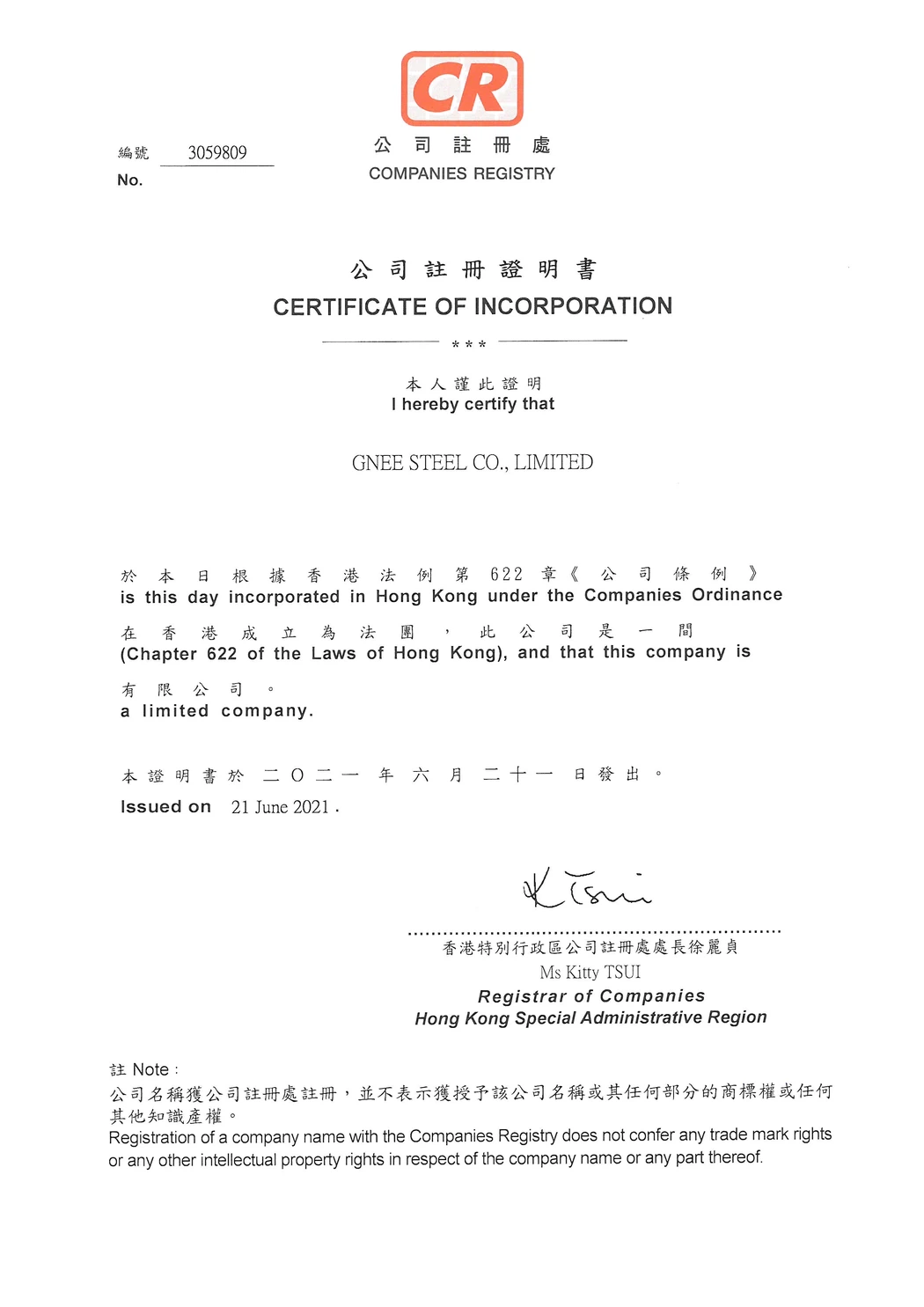
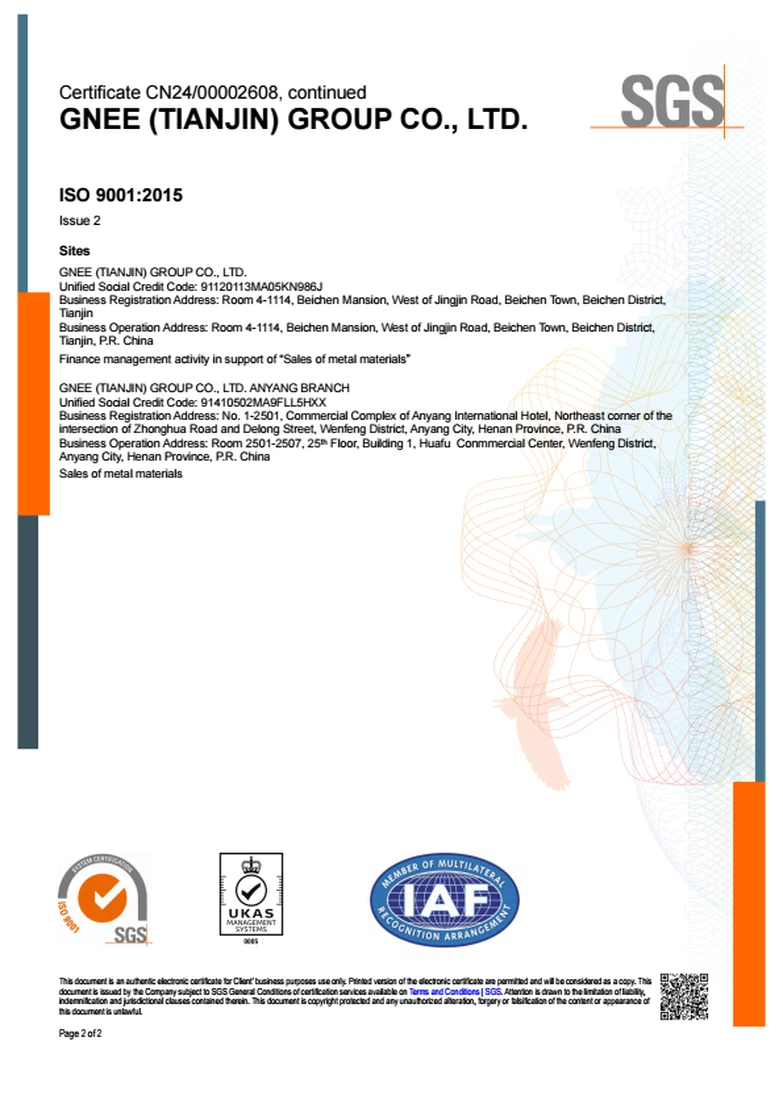
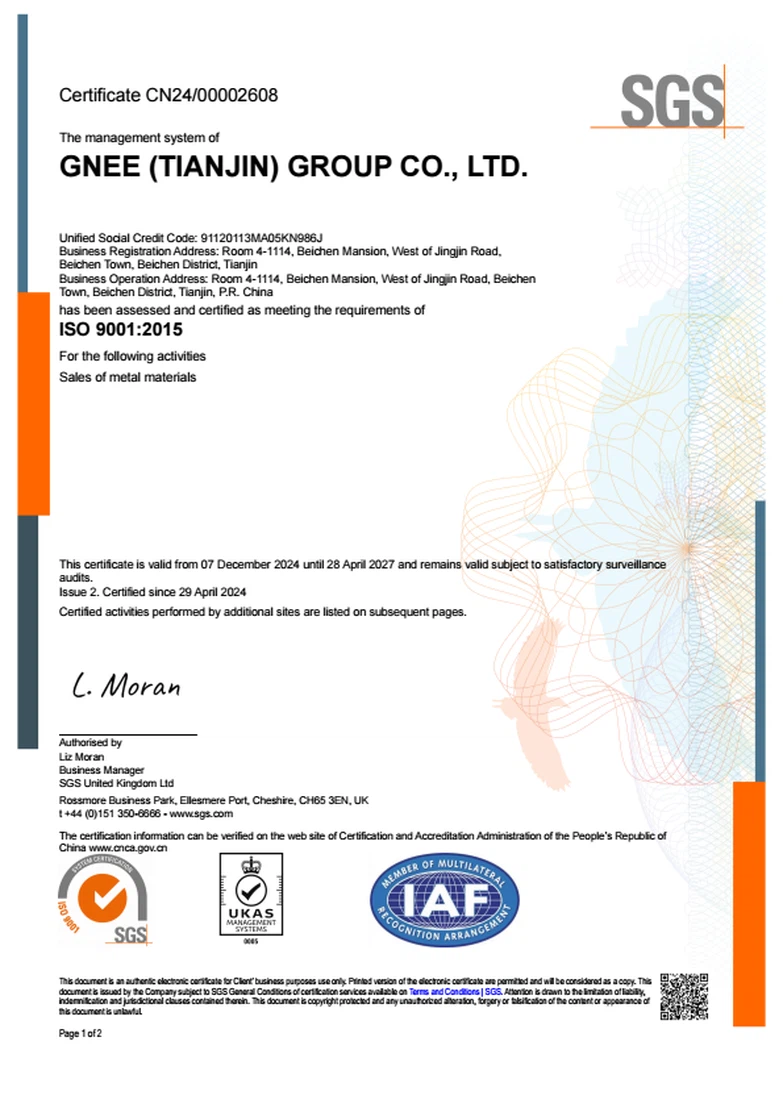
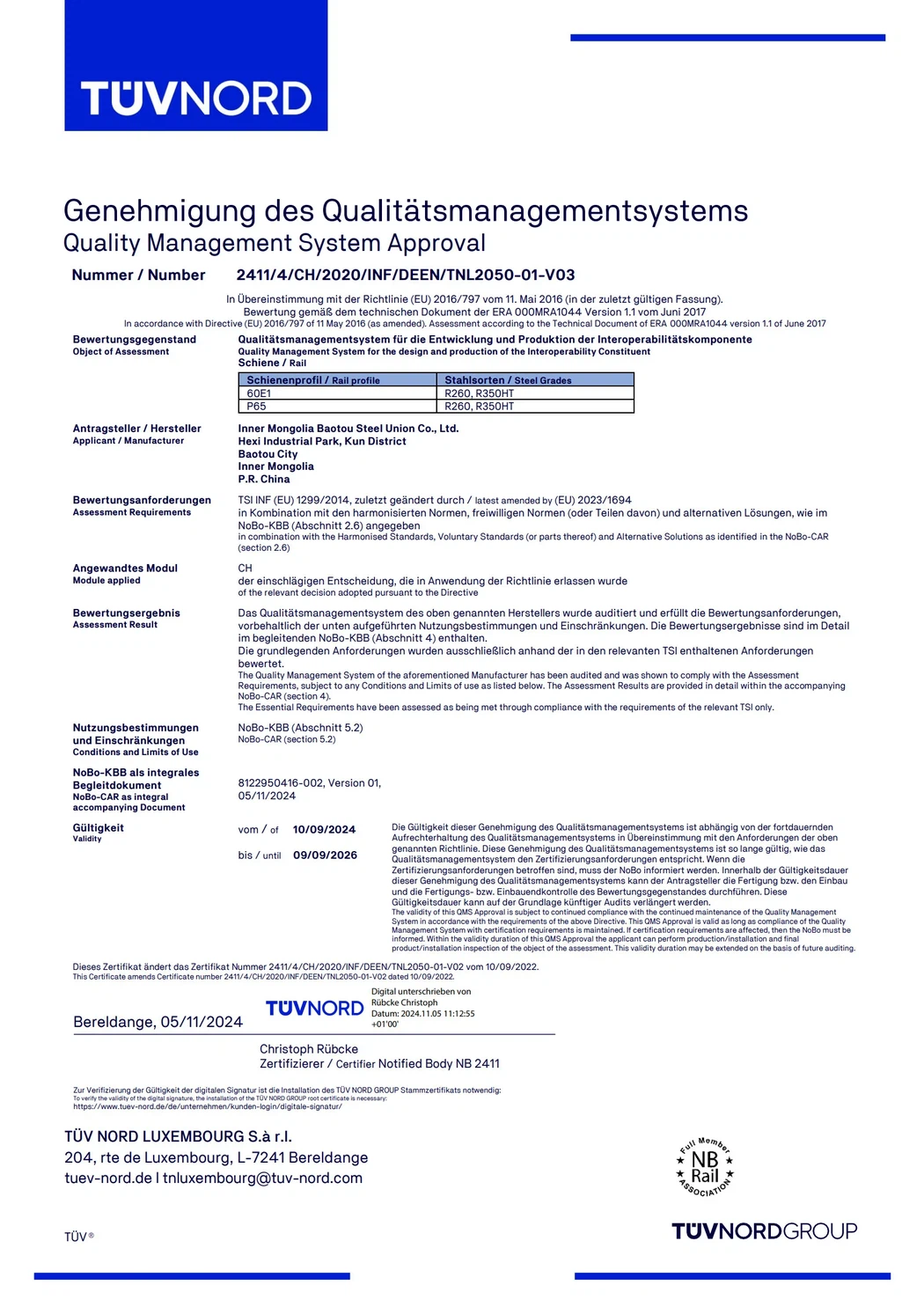
GNEE RAIL holds multiple internationally recognized certifications, including CNAS (China National Accreditation Service for Conformity Assessment), ISO 9001, CE, and SGS, demonstrating our compliance with global quality and safety standards.

Global Market Presence

GNEE RAIL maintains an established global supply footprint, delivering engineered track components and fastening assemblies to key transportation networks, industrial zones, and maritime ports across multiple continents.


Specification


Material

Q235-forging

ZG35-cast steel

QT500-7-cast iron

Chemical composition (%)

C: 0.12-0.20, Mn: 0.30-0.70, Si: ≤0.3, P: ≤0.045, S: ≤0.045

C: ≤0.4, Mn: ≤0.9, Si: ≤0.5, P: ≤0.04, S: ≤0.04

C: 3.60-3.80, Mn: ≤0.6, Si: 2.50-2.90, P: ≤0.08, S: ≤0.025


Advantages of Rail Clamp


01
 

Durability and Longevity

Rail clamps are designed for durability and longevity, making them a cost-effective solution for railway systems. The high-quality materials used in their construction, combined with advanced engineering techniques, ensure that these components can withstand extreme environmental conditions and repeated load cycles.

 
02
 

Enhanced Safety Features

Safety is paramount in railway operations, and rail clamps play a significant role in ensuring it. Their ability to maintain secure rail fastening under dynamic loads and vibrations reduces the risk of track deformation and derailments.

 
03
 

Maintenance Ease

Another notable advantage of rail clamps is the ease of maintenance they offer. Their design allows for straightforward installation, removal, and adjustments, facilitating efficient maintenance activities.

Rail Clamp - Rail Fasteners


Applications of Rail Clamp


Rail clamps are primarily used in settings where rail handling and maintenance are common, such as factories that produce or assemble rail tracks. While they are fundamentally designed for train rails, their application extends beyond trains. Expired railway tracks, repurposed for other uses like trolley and crane tracks in shipyards, docks, and factories, also utilize rail clamps. These clamps are particularly useful in securing gantry cranes that move along rail systems.


Rail Clamp Installation Steps
1

Measure and Plan

Start by measuring the area where you'll be installing the rail clamps. Use a measuring tape to ensure accurate dimensions. Plan the layout of the clamps, making sure they are evenly spaced and in the correct position. Mark the locations on the surface where the clamps will be installed.

2

Prepare the Surface

Clean the surface where the rail clamps will be installed. Remove any dirt, debris, or paint. If you're installing on a concrete surface, you may need to use a hammer drill to create holes for the anchors. For wood or metal surfaces, a regular drill will usually suffice.

3

Install the Clamps

Place the rail clamps in the marked positions and insert the screws or anchors. Use a screwdriver or wrench to tighten the screws securely. Make sure the clamps are level and firmly attached to the surface.

4

Test the Installation

Once the clamps are installed, test their stability. Gently tug on the clamps to ensure they are firmly in place. If you're installing glass panels, carefully place them in the clamps and check for proper alignment and fit.


Ordering Process


productcate-915-590


Packaging and Shipping


Packaging

Packed in durable wooden boxes or reinforced cartons. Custom packaging solutions are available for specialized requirements.

Shipping

Shipping by sea, by air, by express are acceptable. According to your requirements.


Our Factory


HENAN GNEE RAIL CO.,LTD. is one of China's leading exporters of railway equipment, with decades of experience in delivering high-quality rail solutions worldwide.


productcate-743-588

productcate-1128-592


Our Certificates


GNEE RAIL Registration Certificate

SGS
SGS

TSI


FAQ


Q: What is a line rail clamp?

A: Commonly referred to as the Boulevard Clamp, the Line Rail Clamp is a two-part fixture engineered to connect two horizontal chain-link fence rails. Made from galvanized steel, it features holes at both ends for rail attachment and two additional central holes for post anchoring.

Q: What are the typical structural components of a rail clamp?

A: Clamping jaws/plates: The contact part with the rail, often serrated or rubber-lined for enhanced grip .
Actuation mechanism: Hydraulic cylinders (for large loads) or springs (for fail-safe clamping) to drive clamping/release .
Base/fasteners: Anchor bolts or welded plates to fix the clamp to the foundation .
Elastic elements: Rubber pads or vulcanized elastomers (in elastic clamps) for vibration damping and load buffering .

Q: What materials are used in rail clamp manufacturing?

A: Structural parts (jaws, base): Cast steel or ductile iron (e.g., QT400-15) for high tensile strength (≥400 MPa) to withstand lateral loads .
Elastic components: Oil-resistant synthetic rubber or thermoplastic polyurethane for vibration absorption and corrosion resistance .
Fasteners: Grade 8.8 high-strength bolts for secure fixation, with hot-dip galvanizing to resist trackside corrosion .

Q: How to install rail clamps correctly per industry standards?

A: Lay rubber rail pads on the foundation, then position the rail. Align clamps with the rail flange, ensuring tight contact. Install bolts, spring washers, and nuts; tighten to compress rubber elements by 2–3 mm. Verify alignment: Rail centerline deviation ≤5 mm, top elevation difference ≤5 mm .

Q: What causes rail clamp failure, and how to troubleshoot?

A: Failure to clamp: Check for hydraulic oil leaks or spring fatigue; replace damaged cylinders/springs.
Failure to release: Inspect electrical controls (sensors, wiring) or rail deformation; clean debris from jaws.
Abnormal vibration: Tighten loose bolts or replace worn rubber pads.
Corrosion: Recoat with anti-rust paint or upgrade to galvanized components.

As one of the leading rail clamp manufacturers and suppliers in China, we warmly welcome you to buy high-grade rail clamp for sale here from our factory. All customized products are with high quality and competitive price.

(0/10)

clearall