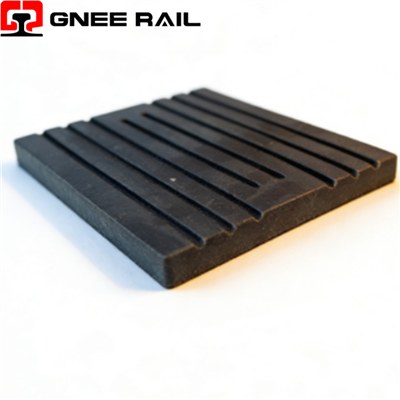
Rail Pad

Your Professional Rail Pad Supplier

HENAN GNEE RAIL CO.,LTD. is a leading Chinese manufacturer and exporter specializing in rail fastening systems and rail joints. Our core product portfolio includes steel rails, rail fasteners, bolts, nuts and screws, base plates, pads and insulating components, as well as fishplates and anchors.

High-Quality Products

Equipped with advanced manufacturing equipment and a rigorous quality control system, our facility ensures consistent strength, durability, and performance across all production batches.

Customized Solutions

We accept OEM and ODM orders and provide comprehensive, one-stop solutions tailored to the needs of international railway infrastructure projects.


Quality Certifications

GNEE RAIL holds multiple internationally recognized certifications, including CNAS (China National Accreditation Service for Conformity Assessment), ISO 9001, CE, and SGS, demonstrating our compliance with global quality and safety standards.

Global Market Presence

GNEE RAIL maintains an established global supply footprint, delivering engineered track components and fastening assemblies to key transportation networks, industrial zones, and maritime ports across multiple continents.


Specification


Stiffness

KN

90-130

Hardness Shore A

72-80 degree

Electronic Resistance

Ω

≥ 106

Tensile Strength before Aging

Mpa

≥12.5

Elongation before Aging

%

≥250


Functions of Rail Pads
 

Vibration Reduction
Rail pads serve a role in mitigating the vibrations produced by moving trains on railway tracks to prevent potential structural harm over time if left unaddressed. The primary function of rail pads is to act as a buffer between the rail and the sleeper to absorb and disperse energy effectively, reducing the effects of vibrations on the overall track infrastructure.


Noise Mitigation
Railway noise is an issue in cities especially because of the loud sounds produced by trains moving on tracks. Rail pads are important for reducing this noise as they help absorb and dampen the sounds made by train wheels on the tracks. These rail pads work by utilizing their material properties to soak up waves and limit how much noise travels through the track system.


Load Distribution
Rail pads also play a role in evenly distributing loads on railway sleepers to avoid concentrated stress points that may cause track deformation or failure by ensuring a consistent surface for load transfer. This even distribution of weight helps in preserving the integrity of the railway system during different operational scenarios.


Common Materials for Rail Pads


01
 

Natural Rubber

Known for their excellent resilience and durability, these pads are ideal for high-speed applications due to their ability to withstand significant stress.

 
02
 

Synthetic Rubber

These offer superior resistance to environmental factors such as aging and weathering, making them suitable for diverse climates.

 
03
 

Composite Material

Made from advanced materials like fiberglass or polyurethane, these pads provide exceptional strength while being lightweight.

HDPE Railway Rail Pads


Precautions for Installation and Use of Rail Pads


Wear Protective Equipment

Operators must wear safety helmets, gloves, and goggles to prevent injuries from slipping or hammering.

01

Use Proper Tools

Always use the correct size spanner and torque wrench to avoid damage caused by insufficient or excessive torque.

02

Avoid Overloading

Follow the torque values specified in the product datasheet. Do not increase or decrease torque arbitrarily.

03

Check Installation Status

After installation, double-check that all nuts are in firm contact with washers and fully secured.

04

Regular Maintenance

During track operation, inspect the clips regularly for loosening, deformation, or damage, and replace them when necessary.

05


How to Get a Quotation?


We need some time to calculate and also need specific information from you.Information required for quotation will be different among the different types of items. Such as:
a. Which process and product type.
b. Material and Size.
c. Order quantity.


Packaging and Shipping


Packaging

Packed in durable wooden boxes or reinforced cartons. Custom packaging solutions are available for specialized requirements.

Shipping

Shipping by sea, by air, by express are acceptable. According to your requirements.


Our Factory


HENAN GNEE RAIL CO.,LTD. is one of China's leading exporters of railway equipment, with decades of experience in delivering high-quality rail solutions worldwide.


productcate-743-588

productcate-1128-592


Our Certificates


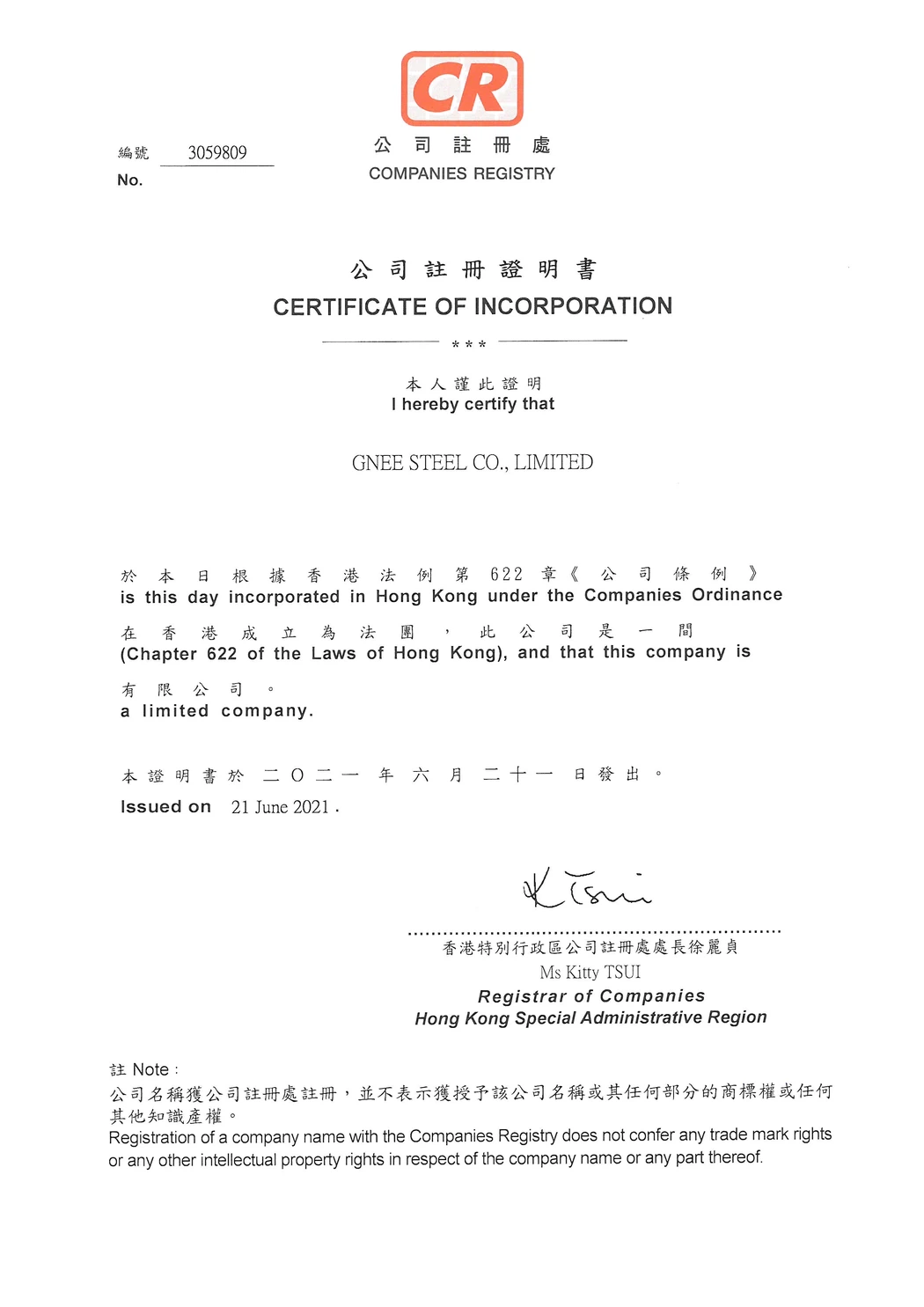
GNEE RAIL Registration Certificate

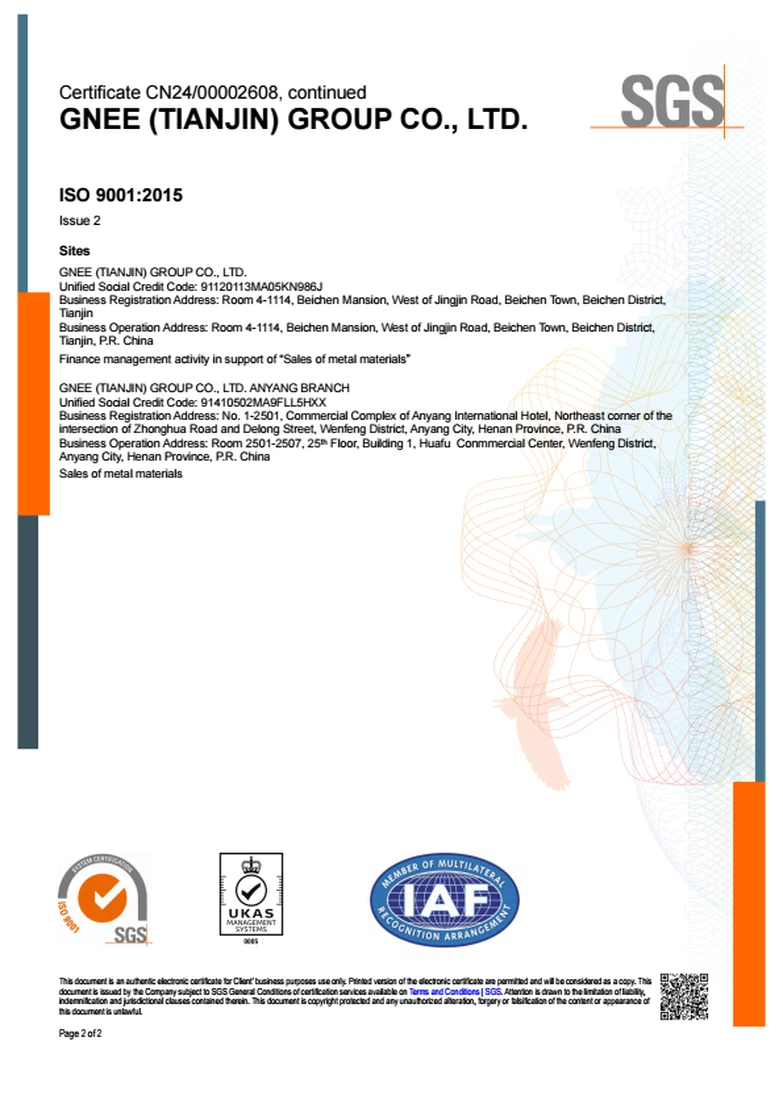
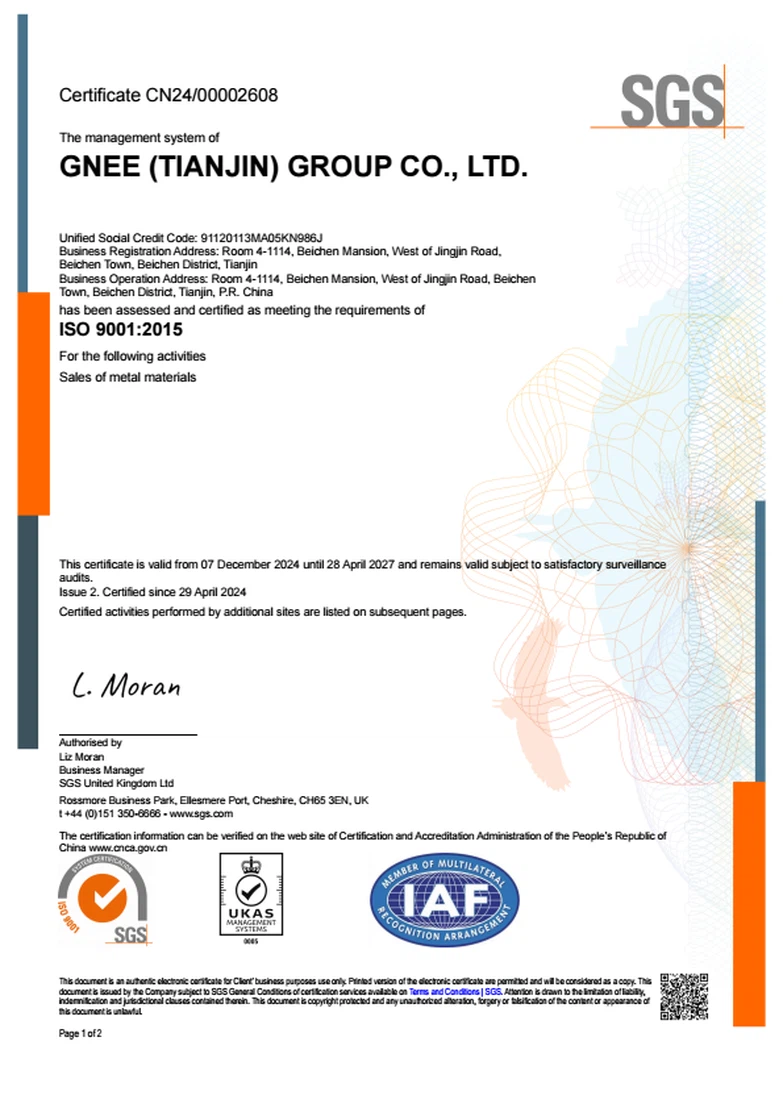
SGS
SGS

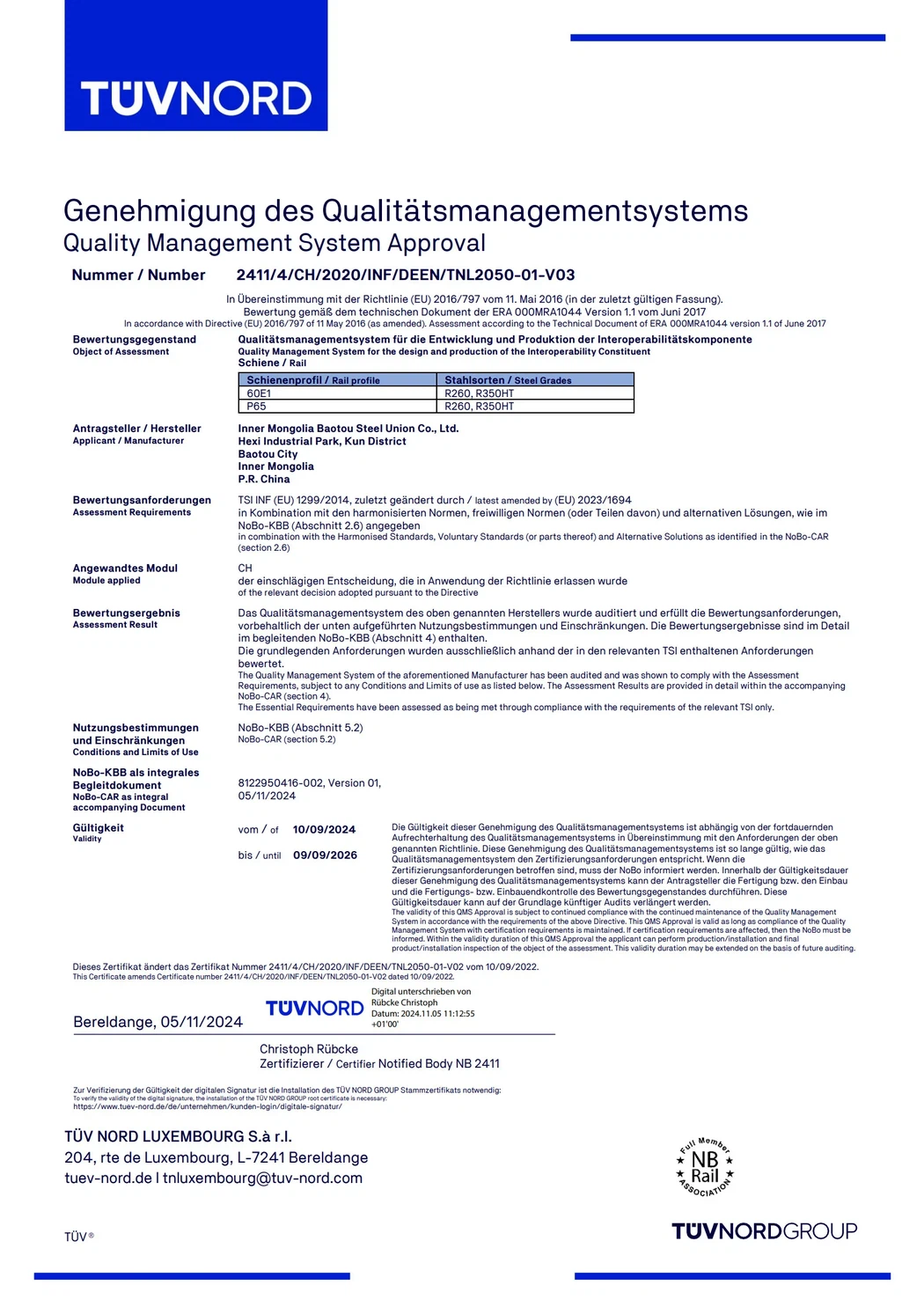
TSI


FAQ


Q: How often should rail pads be replaced?

A: The frequency at which rail pads are replaced is influenced by factors such as how often the track is used and the environmental conditions it faces, alongside how quickly the materials wear out over time. Regular inspections are advised to check their state and decide when it’s time for replacements, to ensure that the track performs at its best.

Q: Can rail pads be customized for specific railway needs?

A: Certainly! Rail pads have the flexibility to be tailored to suit the needs of various railway systems by adjusting materials or design elements to tackle specific operational obstacles or environmental factors encountered on specific tracks.

Q: How thick are rail pads?

A: Our standard rail pads are made of rubber and are 4.5 mm to 10 mm thick. In addition to the basic rail pad properties, the standard rubber rail pad is usually designed for specific load deflection characteristics.

Q: Are there any downsides or trade-offs to using composite material rail pads compared to natural or synthetic rubber ones?

A: In return, the use of composite material rail pads offers advantage for superior performance in durability and resistance to weather conditions. However, it can cost more than natural or synthetic rubber types. Composite materials sometimes are less flexible than rubber and potentially less effective under adverse conditions of use.

Q: How Do Rail Pads Stop Track Damage?

A: Rail Pads cut down on track damage by handling the forces that hurt rails. Rail Pads calm down vibrations. This lowers stress on tracks. They cushion rails against sleepers. This softens the impact of heavy trains.

As one of the leading rail pad manufacturers and suppliers in China, we warmly welcome you to buy high-grade rail pad for sale here from our factory. All customized products are with high quality and competitive price.

Elastic Rubber Pad, railway rubber pad, EVA Rail Pad For Railroad Fastening

(0/10)

clearall