Rail Anchor

Your Professional Rail Anchor Supplier

HENAN GNEE RAIL CO.,LTD. is a leading Chinese manufacturer and exporter specializing in rail fastening systems and rail joints. Our core product portfolio includes steel rails, rail fasteners, bolts, nuts and screws, base plates, pads and insulating components, as well as fishplates and anchors.


High-Quality Products

Equipped with advanced manufacturing equipment and a rigorous quality control system, our facility ensures consistent strength, durability, and performance across all production batches.

Customized Solutions

We accept OEM and ODM orders and provide comprehensive, one-stop solutions tailored to the needs of international railway infrastructure projects.


Quality Certifications

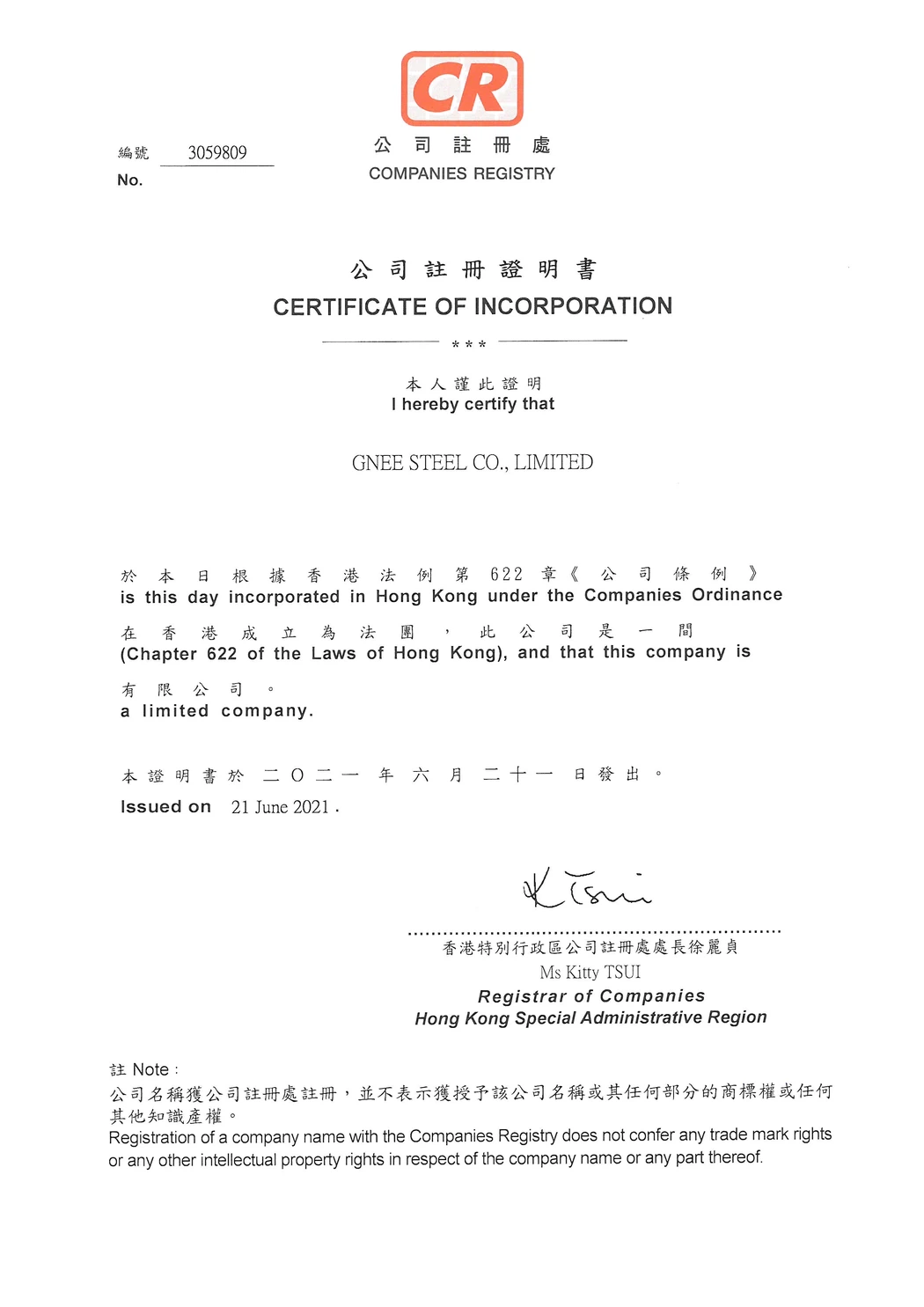
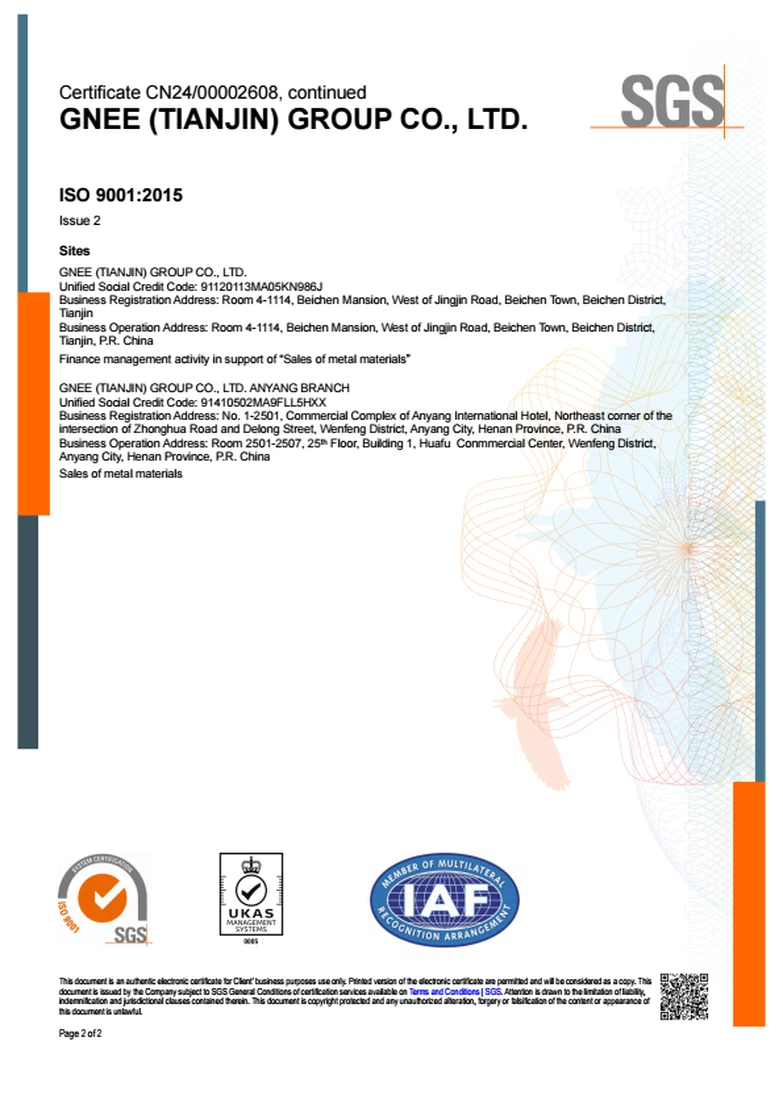
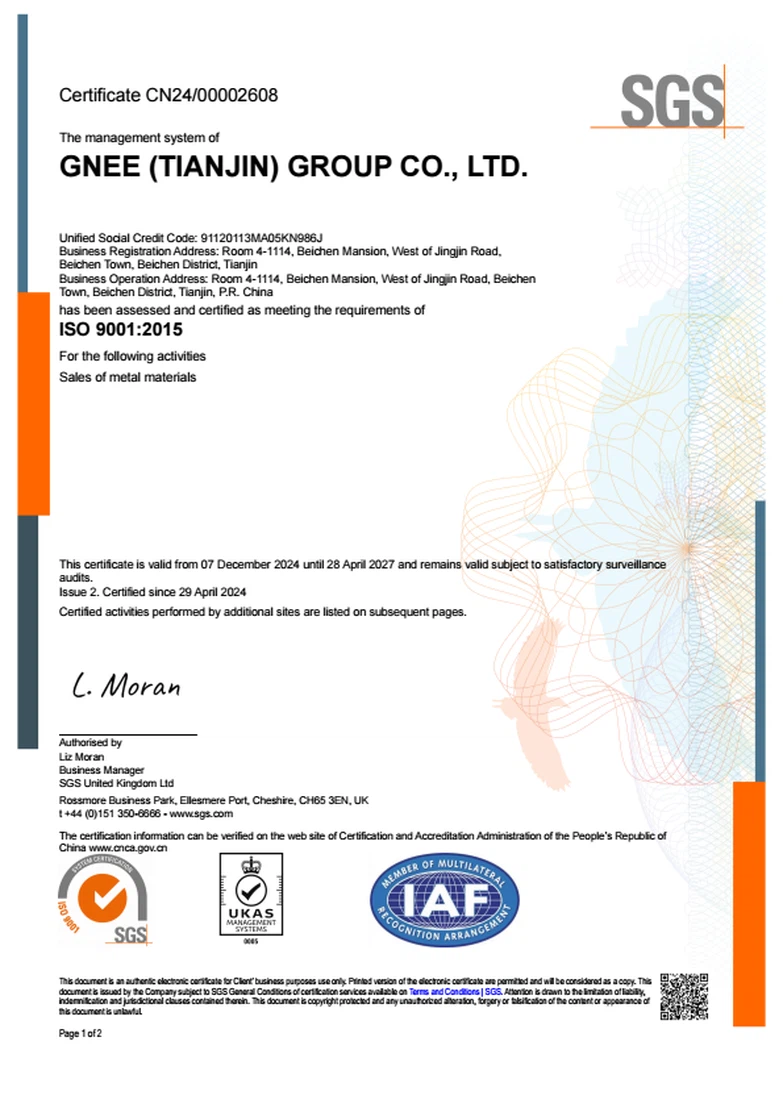
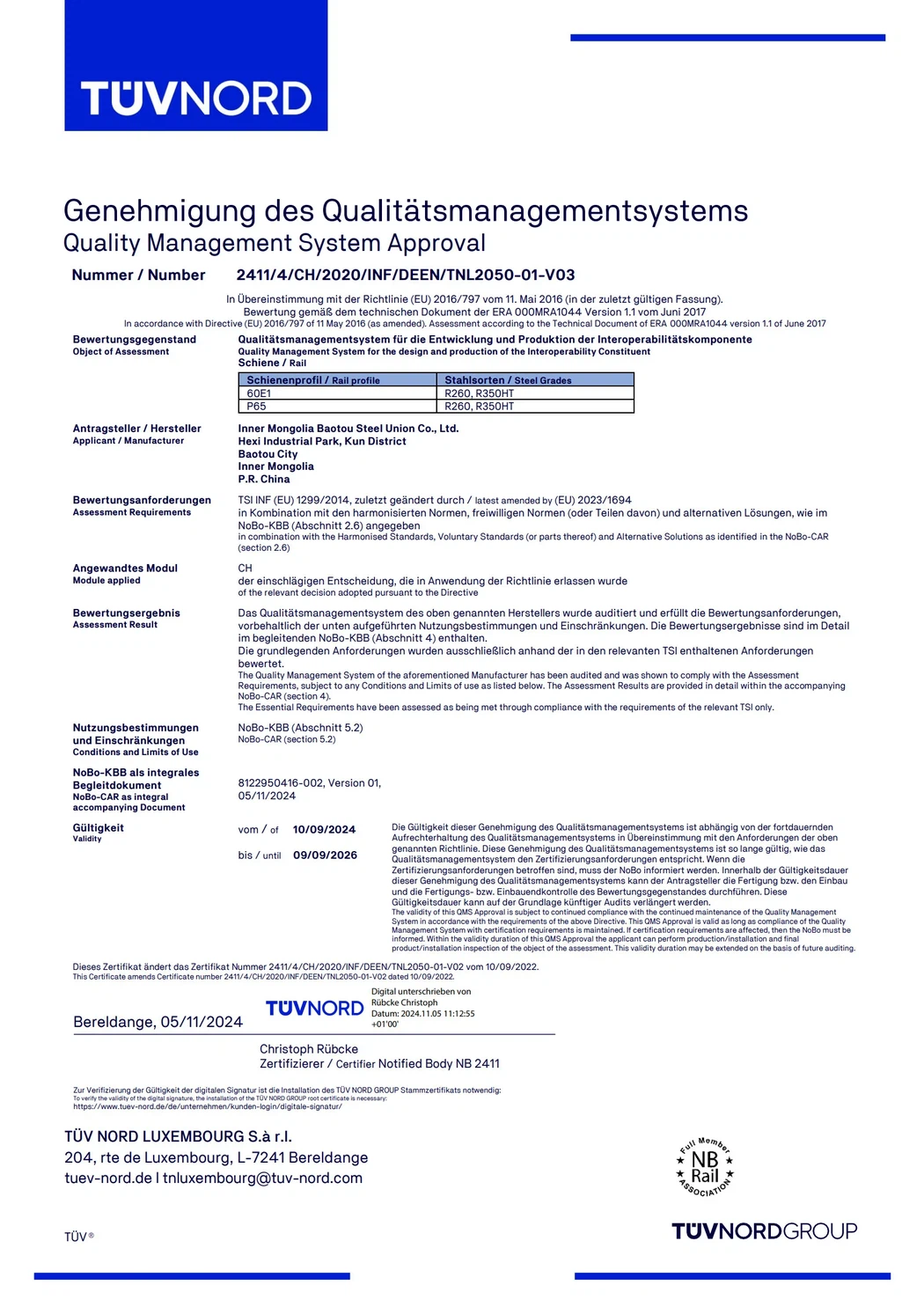
GNEE RAIL holds multiple internationally recognized certifications, including CNAS (China National Accreditation Service for Conformity Assessment), ISO 9001, CE, and SGS, demonstrating our compliance with global quality and safety standards.

Global Market Presence

The company has been dedicated to the research, production, and supply of railway tracks and fastening systems, exporting to more than 160 countries and regions worldwide, including South America, Africa, Latin America, Europe, and the Middle East.


Specification


Type

Used for 50Kg, 85Kg, 90/91LB, 115RE /136RE, UIC54 & UIC60 rail. Or the type by customers' drawings

Material

60Si2MnA

45#

QT500-7

Chemical composition (%)

C: 0.56-0.64, Mn: 0.60-0.90, Si: 1.60-2.00, Cr: ≤0.35, P: ≤0.03, S: ≤0.03

C: 0.42-0.50, Mn: 0.50-0.80, Si: 0.17-0.37, Cr: ≤0.25, P: ≤0.035, S: ≤0.035

C: 3.60-3.80, Mn: ≤0.6, Si: 2.50-2.90, P: ≤0.08, S: ≤0.025

Surface

Plain (oiled), color painting


Function of Rail Anchor
 
01/

Preventing Rail Creep
Rail creep, the longitudinal movement of rails along the track, poses a significant threat to the structural integrity and operational safety of railway systems. The primary mechanism for counteracting rail creep is the strategic application of rail anchors.

02/

Maintaining Track Gauge
The consistent distance between the rails, known as track gauge, is paramount for safe and efficient train operation. Deviation from the specified gauge, whether widening or narrowing, can induce instability, increase the risk of derailment, and accelerate wear on rolling stock and track components.

03/

Enhancing Track Stability
Track stability, encompassing resistance to deformation and displacement under load, is a fundamental requirement for safe and efficient railway operations.

04/

Reducing Maintenance Costs
The implementation and proper maintenance of rail anchors directly correlate with reduced maintenance expenditures for railway infrastructure. Rail anchors, by mitigating rail creep and maintaining track gauge, minimize the frequency of track realignment and surface corrections.

05/

Extending Track Life
Extending the operational lifespan of railway tracks is a critical objective for railway operators, directly impacting profitability and minimizing disruption. The presence and effectiveness of rail anchors play a significant role in achieving this objective by mitigating factors that contribute to premature track degradation.

06/

Ensuring Train Safety
Train safety is intrinsically linked to the integrity of the railway track, and rail anchors are a crucial component in upholding that integrity. These devices directly prevent rail creep, the longitudinal movement of rails, which can lead to track misalignment and gauge widening.


Rail Anchor Installation Steps


Clean the sleeper or tie

Before installing the rail anchor, the sleeper or tie should be cleaned of any debris or dirt to ensure a secure fit.


Position the rail anchor

The rail anchor should be positioned on the sleeper or tie, with the curved end facing the base of the rail. The anchor should be placed in the center of the rail base, and its orientation should be consistent throughout the installation process.


Hammer the rail anchor

Once the rail anchor is in position, it should be hammered into place using a sledgehammer. The anchor should be hammered until it is snug against the base of the rail.


Test the rail anchor

After the rail anchor is installed, it should be tested for tightness and stability. Any loose rail anchors should be repositioned and rehammered until they are secure.


Rail Anchor For Railroad Fasteners


Precautions for Using Rail Anchors

● Rail anchors should be on the gage side of the rail base against the same tie face on opposite rails.
● Rail anchors have to hold the rail base tightly and firmly and have full bearing against rail tie face.
● A new rail anchor and a rail tie will be needed when the bearing of rail anchor against the tie has been disturbed.
● Anchors shall not be moved by driving them along the rail.
● The rail ties should be kept straightened when the anchors are applied.


Ordering Process


Inquiry

Provide us all clear requirements (total qty and package details).

01

Quotation

Official quotation from with all clear specifications from our professional team.

02

Marking Sample

Confirm all quotation details and the final sample.

03

Production

Mass production.

04

Shipping

By sea or by air.

05


Packaging and Shipping


Packaging

Packed in durable wooden boxes or reinforced cartons. Custom packaging solutions are available for specialized requirements.

Shipping

Shipping by sea, by air, by express are acceptable. According to your requirements.


Our Factory


HENAN GNEE RAIL CO.,LTD. is one of China's leading exporters of railway equipment, with decades of experience in delivering high-quality rail solutions worldwide.


productcate-743-588

productcate-1128-592


Our Certificates


productcate-1-1


FAQ


Q: How does a rail anchor work?

A: Rail anchors are applied to the rail base directly and lodge up against the tie, they are equipped to fasten rail track on the base plate and sleepers, it is designed in one-piece construction to prevent the rail from longitudinal movements, as“creeping” of the rail, which caused by changing temperature, grades, ...

Q: What are the different types of rail anchors?

A: Anchors are made for a specific rail weight and base width, which can be classified into two types: the Drive-on rail anchors and Spring type rail anchor.

Q: What are railroad anchors made of?

A: Rail anchors, also called anticreepers, are spring steel clips that attach to the underside of the rail baseplate and bear against the sides of the sleepers to prevent longitudinal movement of the rail, either from changes in temperature or through vibration.

Q: What does a rail anchor do?

A: Train safety is intrinsically linked to the integrity of the railway track, and rail anchors are a crucial component in upholding that integrity. These devices directly prevent rail creep, the longitudinal movement of rails, which can lead to track misalignment and gauge widening.

Q: How long is a railway spike?

A: A standard railroad spike is typically around 6 to 6.5 inches long with a square shank and an L-shaped, sloped head, though sizes can vary, with common dimensions including 5/8" x 6" and 9/16" x 5-1/2". The spike's purpose is to secure T-shaped rails to wooden ties, with different lengths available to accommodate varying requirements for penetration.

As one of the leading rail anchor manufacturers and suppliers in China, we warmly welcome you to buy high-grade rail anchor for sale here from our factory. All customized products are with high quality and competitive price.

(0/10)

clearall