Tie Plate

Your Professional Tie Plate Supplier

HENAN GNEE RAIL CO.,LTD. is a leading Chinese manufacturer and exporter specializing in rail fastening systems and rail joints. Our core product portfolio includes steel rails, rail fasteners, bolts, nuts and screws, base plates, pads and insulating components, as well as fishplates and anchors.


High-Quality Products

Equipped with advanced manufacturing equipment and a rigorous quality control system, our facility ensures consistent strength, durability, and performance across all production batches.

Customized Solutions

We accept OEM and ODM orders and provide comprehensive, one-stop solutions tailored to the needs of international railway infrastructure projects.


Quality Certifications

GNEE RAIL holds multiple internationally recognized certifications, including CNAS (China National Accreditation Service for Conformity Assessment), ISO 9001, CE, and SGS, demonstrating our compliance with global quality and safety standards.

Global Market Presence

GNEE RAIL maintains an established global supply footprint, delivering engineered track components and fastening assemblies to key transportation networks, industrial zones, and maritime ports across multiple continents.


Specification


Material

Casting steel,hot rolled

Process

Casting,Forging

Size

According to customers requirement.

Thick

For 3/4''thick

For 1'' thick


Types of Tie Plate

The tie plates produced by our company mainly include the following types:


Single Shoulder Tie Plates

For the tie plates of single shoulder, the shoulder is designed at the field end of the plate. The plate's short end or gauge end is placed inside of the rail track, and that why the rail base width is always required from clients.


Double Shoulder Base Plates

For a sole plate of double shoulder, types of 2-hole, 4-hole, 5-hole, 6-holes or 8-hole are all available according to customer requests. Double shoulder plates are usually used for rail that is larger than 100 lb.


Hook Twin Tie Plate

Hook twin tie plate, or HTTP for short, is a type of tie plate that is used for frog, guide rail, and behind the heel of rail switch. There is slotted hole in the hook twin tie plate, which makes it different from other kinds of tie plate.


Advantages of Tie Plate
● Rail tie plates distribute the load from the rail to the ties and provide uniform bearing surface for the rail and prevent rail movement.
● Rail tie plates provide proper cant and obtain central loading and more uniform wear on the rail head.
● Rail tie plates hold the rail rigidly to gauge and protect ties against undue wear, which prolongs the service life.
● Rail tie plates are fabricated from heavy hot-rolled steel sections which are punched and sheared to size.
Forging Iron Tie Base Plates Rail Fastening


Manufacturing Process for Rail Tie Plates

Rolling Process for Rail Tie Plates

As for using the rolling measures, it has the requirements for the raw material. Generally, for the rolling tie plate, they are made of Q235 carbon steel. Q235 carbon steel is also called A3 carbon steel. Q refers to the yield limiting, and “235” means the yield value is almost 235Mpa.


Casting Process for Rail Tie Plates

Casting is the most common method to manufacture the rail tie plates. For making rail tie plate by casting, we would like to choose the QT400-18 carbon steel. The QT400-18 is made up of the steel, carbon and silicon. Cast iron is mainly composed of iron, carbon and silicon alloy.


Forging Process for Rail Tie Plates

Forging is a common method for manufacturing rail tie plates. In term of forging rail tie plate, we would like to choose white cast iron. White cast iron, the carbon content is almost 2.5%. Because it contents much more Fe3c, so the white cast iron has high hardness and high fragility.


Installation Steps of the Tie Plates
1

Preparation & Inspection

Clean the sleeper surface to remove dirt, debris, or old fasteners. Check the rail tie plate for defects (cracks, warping, or corrosion).

2

Positioning the Plate

Place the sleeper plate on the sleeper (wood, concrete, or steel). Align the plate with the rail seat, ensuring proper gauge width (use a rail gauge tool).

3

Rail Placement & Fastening

Set the rail onto the plate's rail seat. Secure the rail using clips, spikes, or bolts (torque to 200–250 Nm for bolted plates).

4

Final Checks

Ensure the plate is flush with the sleeper (no rocking movement). Verify rail cant (1:20 or 1:40 inclination, depending on design).


Ordering Process


productcate-915-590


Packaging and Shipping


Packaging

Packed in durable wooden boxes or reinforced cartons. Custom packaging solutions are available for specialized requirements.

Shipping

Shipping by sea, by air, by express are acceptable. According to your requirements.


Our Factory


HENAN GNEE RAIL CO.,LTD. is one of China's leading exporters of railway equipment, with decades of experience in delivering high-quality rail solutions worldwide.


productcate-743-588

productcate-1128-592


Our Certificates


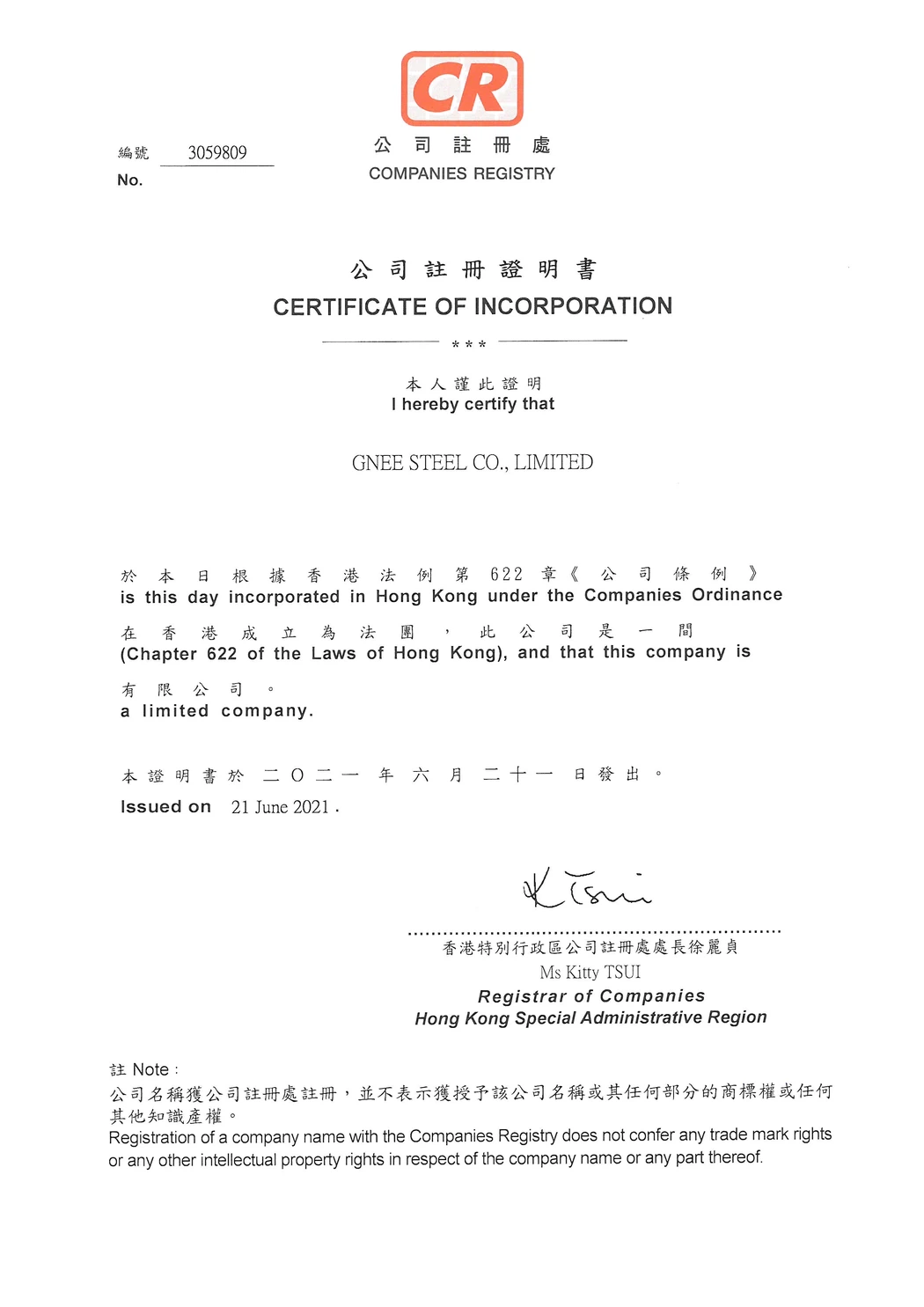
GNEE RAIL Registration Certificate

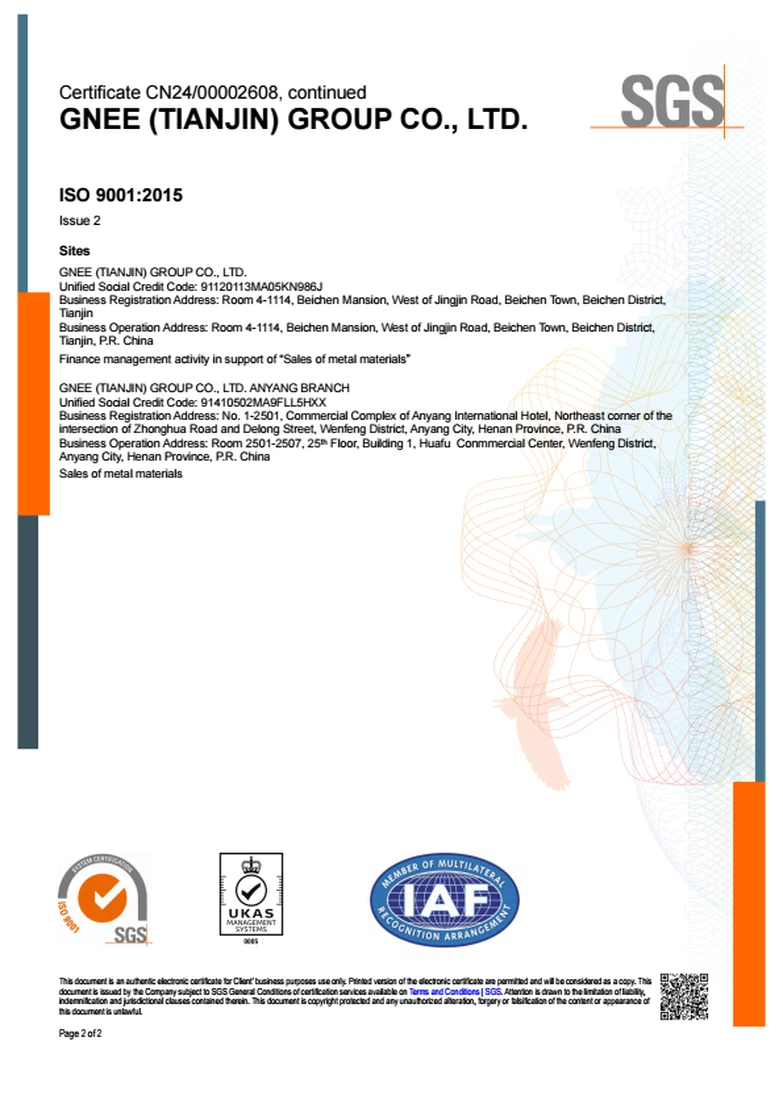
SGS
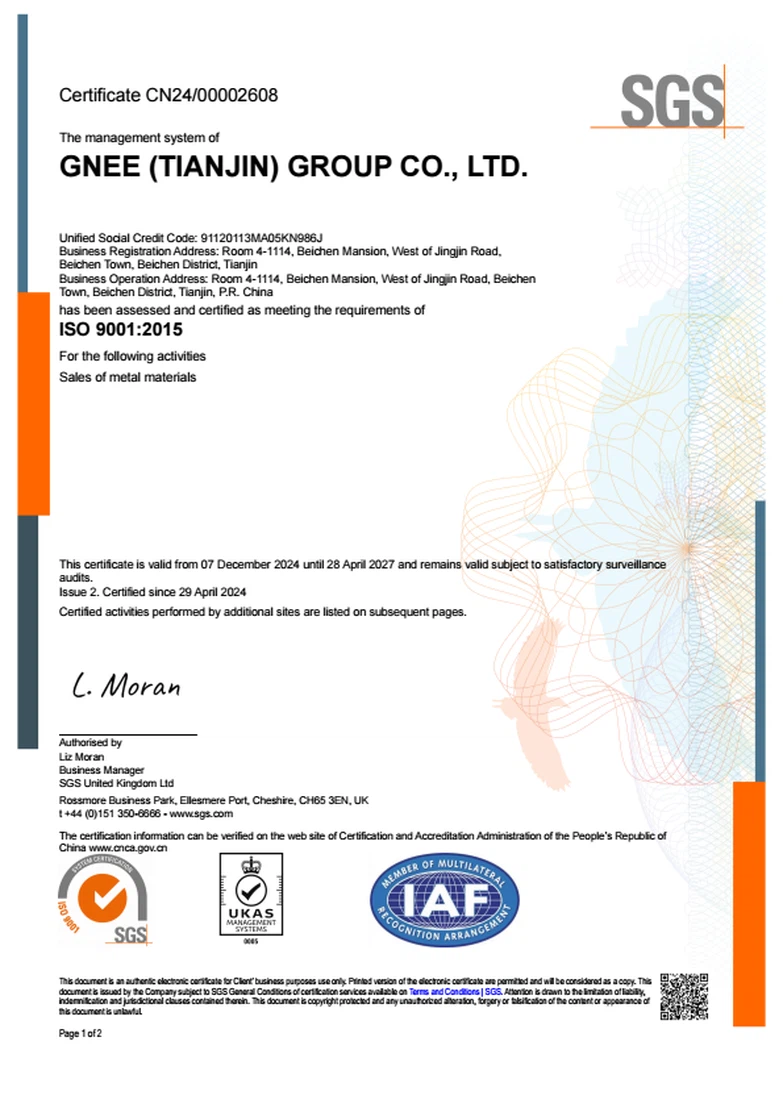
SGS

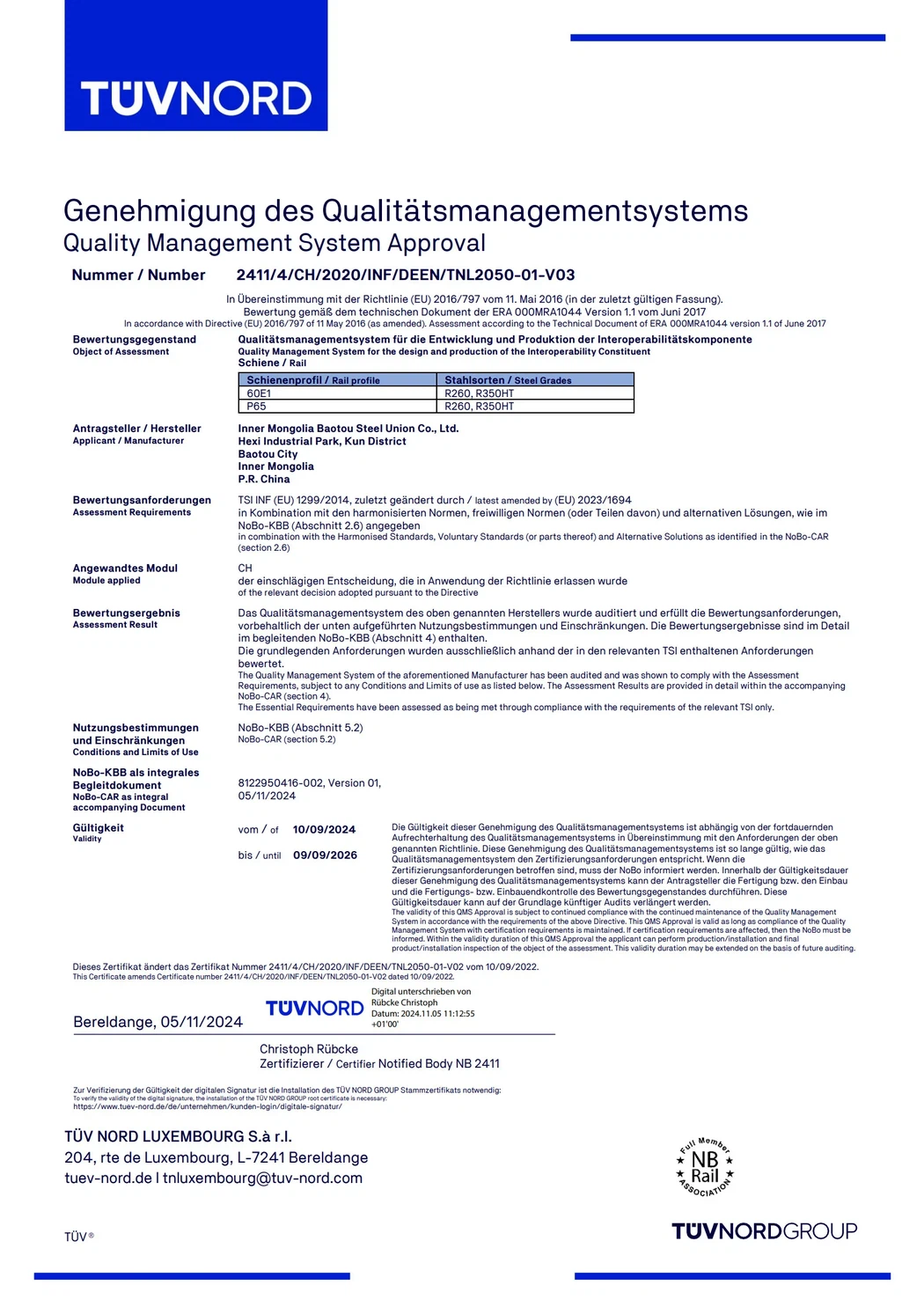
TSI


FAQ


Q: How does a tie plate work?

A: Tie plates transmit the load from steel rail to the railroad ties. They provide even support surface for rail and prevent rail from movement.

Q: What are the different types of railroad tie plates?

A: There are three types of rail tie plates: forging, rolling and casting. Each type of tie plates has its unique features on the process of utility.

Q: What's the difference between a mending plate and a tie plate?

A: A mending plate reinforces wood-to-wood joints for furniture, frames, or trusses by attaching to surfaces, while a tie plate (or sole plate) is a specialized component used in railway construction to connect steel rails to wooden ties, protecting the ties from the rail's load and helping to maintain the track's stability and alignment. Mending plates are versatile for structural connections using screws or spikes, whereas tie plates are specific to railway applications and distribute rail load onto the ties.

Q: How many spikes are in a railroad tie?

A: Railroads maintain gauge and distrib- ute track loads by connecting the rails to the ties using steel tie plates and fasteners. Four spikes or bolts are placed in each tie laid in a straight track section (called a tangent).

Q: How heavy is an 8ft railroad tie?

A: An 8 ft wooden railroad tie generally weighs around 200 pounds, but the exact weight can vary from 150 to 200 pounds depending on the wood species (hardwoods are heavier), its treatment with creosote, and its age. Other types of ties, such as concrete ties, weigh significantly more, often exceeding 200 pounds, while composite ties have variable weights.

Q: What kind of wood do they use for railroad ties?

A: To anchor railroad ties, you can bury the bottom course in a trench for stability and then drive long rebar stakes through the layers of ties and into the ground, securing each tie and providing support. Stagger the ties so the ends of one row don't align with the next for added strength, and use at least two pieces of rebar through each top-layer tie, ensuring they are embedded a significant amount into the ground for stability.

As one of the leading tie plate manufacturers and suppliers in China, we warmly welcome you to buy high-grade tie plate for sale here from our factory. All customized products are with high quality and competitive price.

(0/10)

clearall