Rail Fasteners

Your Professional Rail Fasteners Supplier

HENAN GNEE RAIL CO.,LTD. is a leading Chinese manufacturer and exporter specializing in rail fastening systems and rail joints. Our core product portfolio includes steel rails, rail fasteners, bolts, nuts and screws, base plates, pads and insulating components, as well as fishplates and anchors.

High-Quality Products

Equipped with advanced manufacturing equipment and a rigorous quality control system, our facility ensures consistent strength, durability, and performance across all production batches.

Customized Solutions

We accept OEM and ODM orders and provide comprehensive, one-stop solutions tailored to the needs of international railway infrastructure projects.


Quality Certifications

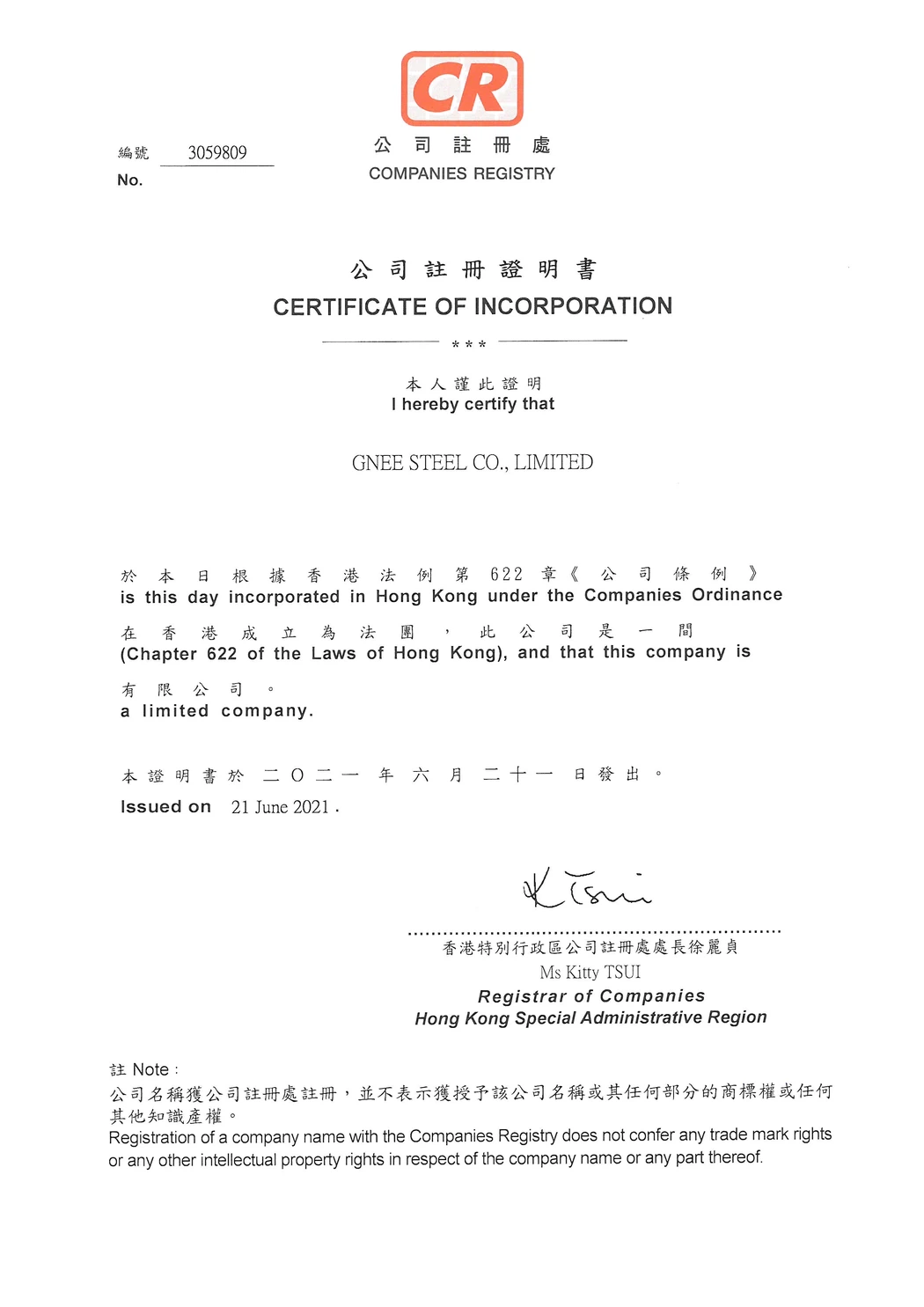
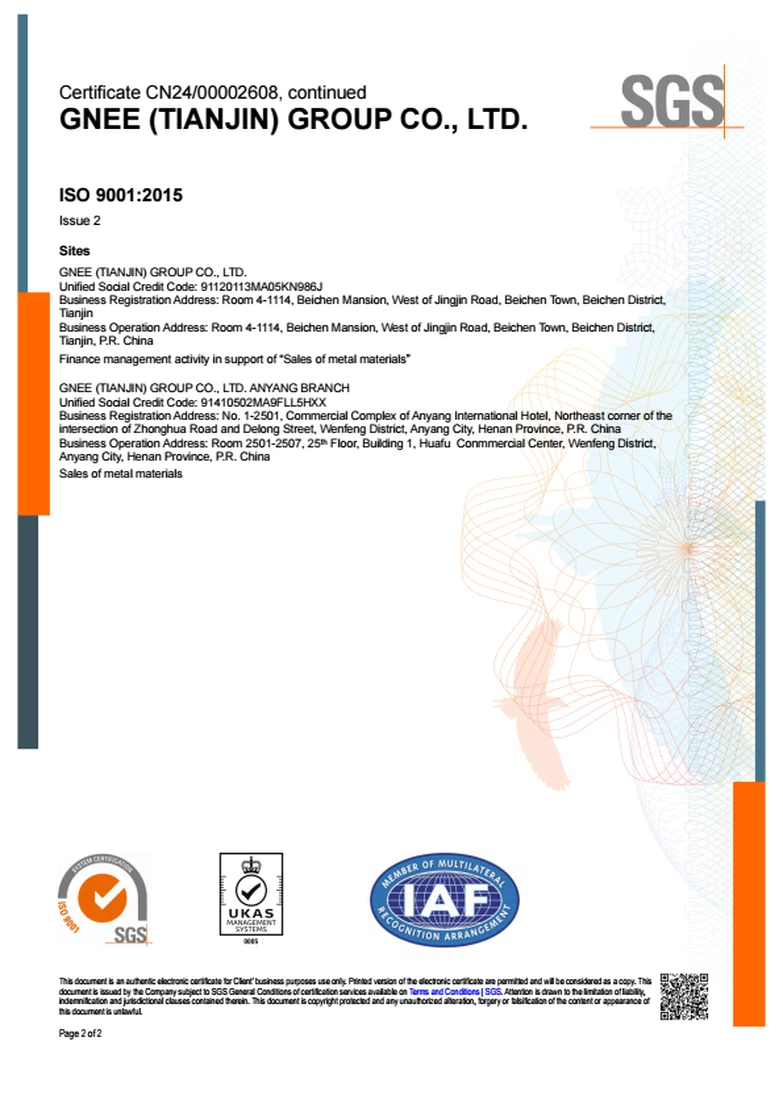
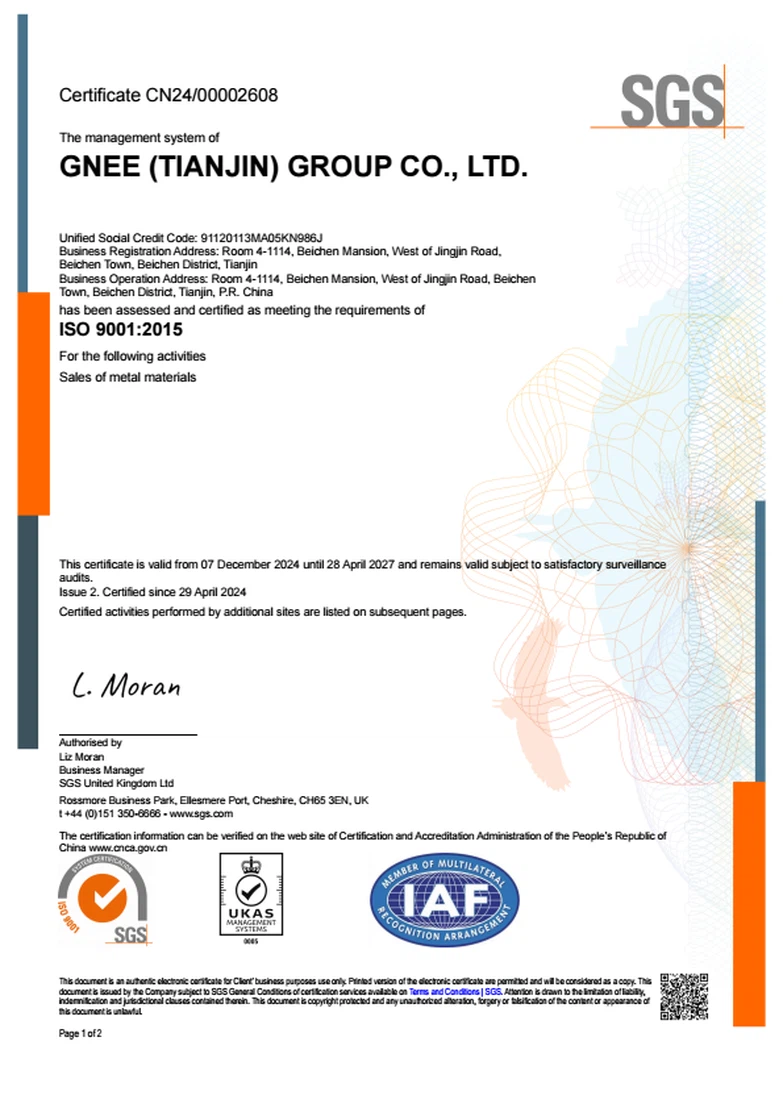
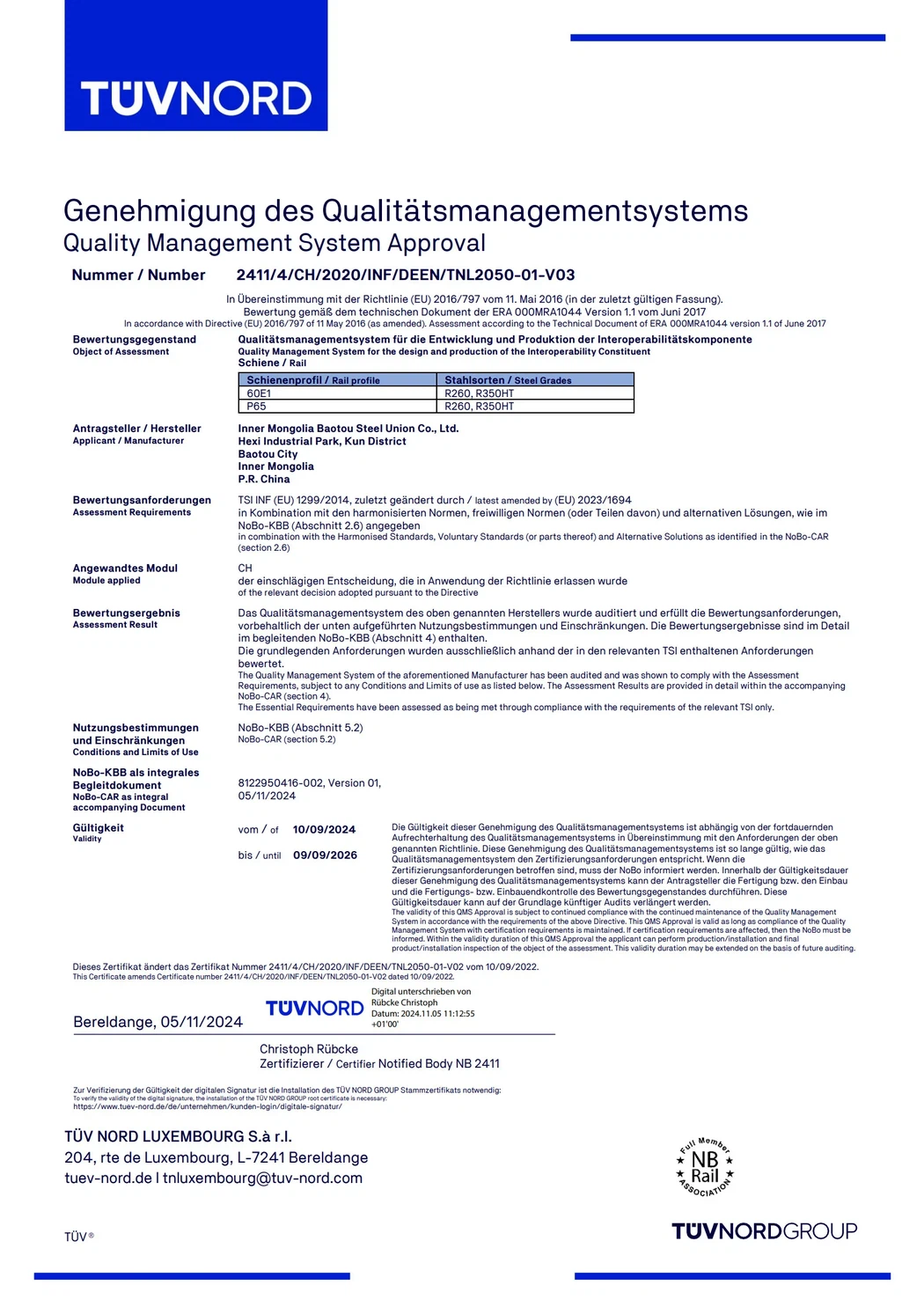
GNEE RAIL holds multiple internationally recognized certifications, including CNAS (China National Accreditation Service for Conformity Assessment), ISO 9001, CE, and SGS, demonstrating our compliance with global quality and safety standards.

Global Market Presence

The company has been dedicated to the research, production, and supply of railway tracks and fastening systems, exporting to more than 160 countries and regions worldwide, including South America, Africa, Latin America, Europe, and the Middle East.


First 1234567 Last 1/13


Specification


Material

Material Chemical Composition (%)

Tensile Strength (Mpa)

Yield Strength (Mpa)

Elongation (%)

C

Si

Mn

P

S

QT400-15 (GGG40)

3.6-.36

3.0-3.2

0.5

0.07

0.02

400

250

15

QT450-10 (GGG45)

3.4-3.9

3.7-3.0

0.5

0.07

0.03

450

310

10

QT500-7 (GGG50)

3.4-3.8

2.5-2.9

0.6

0.08

0.025

500

320

7


Types of Rail Fasteners
 

The rail fasteners produced by our company mainly include the following types:

Crane Rail Clip

Bolted crane rail clips are among the most commonly used solutions for securing crane rails and heavy equipment track systems. These clips fasten the rail firmly to the supporting foundation by means of bolts, ensuring track stability and operational safety.

Rail Pad

These pads are installed between the steel rails and the railway sleepers or baseplates. They act as a buffer, ensuring that the rails are properly supported and protected from the direct impact and stress generated during train operations.

Rail Gauge Rod

A rail gauge tie rod, sometimes called gauge tie bar, gauge draw bar, is always used to prevent rails from spreading or tilting, to stabilize the rails in certain distance.

Rail Shoulder

Rail shoulder is a key part in rail fastening system. It is cast in concrete sleeper to fix the elastic rail clips to fasten the rails.


Advantages of Rail Fasteners


High strength and durability

Fasteners must be able to withstand long-term impact and vibration. At the same time, stable performance is required under various climatic conditions.

Elasticity and vibration reduction performance

Elastic design can effectively reduce noise and vibration during train movement. Also, passenger comfort is improved.

E Type Rail Clip for Rail Fasteners

Corrosion resistance

To extend their service life, fasteners are typically made of corrosion-resistant materials (like hot-dip galvanized steel or polymer synthetic materials).

Convenient installation and maintenance

Modern fastener systems are made to simplify the installation and maintenance process and lower operating costs.


Materials Used in Rail Fasteners

Steel

Steel remains the most widely used material for rail fasteners due to its exceptional strength and versatility. Different grades of steel, such as high-carbon steel and alloy steel, offer varying levels of tensile strength, ductility, and corrosion resistance.

Iron

Historically, iron was a foundational material for fasteners used in rail construction due to its abundance and ease of manufacturing. It was particularly valued in earlier infrastructure projects where strength requirements were moderate, and cost-efficiency was paramount.

Composites

Composite materials, such as fiber-reinforced polymers, are gaining traction in the fastener industry for specialized applications. Lightweight yet strong, composites offer exceptional corrosion resistance, making them ideal for environments exposed to moisture, chemicals, or extreme weather conditions.

Coatings and Platings

Protective coatings and platings are crucial for enhancing the longevity and performance of fasteners. Galvanization, zinc plating, and powder coatings provide an additional layer of protection against corrosion, ensuring that fasteners maintain their integrity even in harsh conditions.


Maintenance of Rail Fasteners


1
productcate-1-1

Visual Inspection

Regular visual inspections are the first line of defense in identifying wear, damage, or corrosion in fasteners. Engineers can quickly spot issues such as surface rust, cracks, or misalignment that may compromise performance.

2
productcate-1-1

Non-Destructive Testing (NDT)

NDT methods, such as ultrasonic testing and magnetic particle inspection, allow for the detection of hidden flaws in fasteners without causing damage.

3
productcate-1-1

Torque Wrenching

Proper torque wrenching during installation and maintenance ensures that fasteners achieve optimal clamping force. Incorrect torque application can lead to loosening, overloading, or thread damage, compromising the connection.

4
productcate-1-1

Replacement Schedules

Fasteners have a defined service life based on material properties and environmental exposure. Following recommended replacement schedules ensures that worn or degraded fasteners are replaced before they fail.


How to Get a Quotation?


We need some time to calculate and also need specific information from you.Information required for quotation will be different among the different types of items. Such as:
a. Which process and product type.
b. Material and Size.
c. Order quantity.


Packaging and Shipping


Packaging

Packed in durable wooden boxes or reinforced cartons. Custom packaging solutions are available for specialized requirements.

Shipping

Shipping by sea, by air, by express are acceptable. According to your requirements.


Our Factory


HENAN GNEE RAIL CO.,LTD. is one of China's leading exporters of railway equipment, with decades of experience in delivering high-quality rail solutions worldwide.


productcate-743-588

productcate-1128-592


Our Certificates


productcate-1-1


FAQ


Q: What are the most common types of rail fasteners?

A: Rail fasteners come in various types, each serving a specific function. Rail clips secure rails to ties and absorb vibrations, while rail anchors prevent track movement. Rail spikes are traditional fasteners for securing rails to wooden or concrete ties, and bolts and nuts provide strength for joints and specialized connections. Each plays a vital role in maintaining track alignment and stability.

Q: How do I choose the right rail fasteners for my project?

A: Selecting the right rail fastener involves assessing several factors, such as the type of rail and track gauge, load-bearing requirements, and environmental conditions like moisture or temperature extremes. It's also essential to adhere to industry standards and consult with experts to ensure fasteners are compatible with your infrastructure's specific needs.

Q: What are the key maintenance practices for rail fasteners?

A: Regular maintenance of rail fasteners includes visual inspections for wear and corrosion, using non-destructive testing (NDT) techniques to detect hidden flaws, and applying proper torque wrenching during reinstallation. Following replacement schedules based on the fasteners’ service life and environmental exposure ensures safety and longevity.

Q: How do rail fasteners impact track safety?

A: Rail fasteners are critical for maintaining track safety by ensuring proper alignment, stability, and load distribution. High-quality fasteners prevent rail movement, reduce derailment risks, and withstand environmental and operational stresses. Proper selection, installation, and maintenance are key to ensuring the safety of both passengers and freight.

Q: Which fastening is used to keep the rails in their correct position?

A: Elastic Rail Clip: This fastening system is commonly used with concrete sleepers in Indian Railways. It provides better stability and resilience, as it helps in keeping the rails in place by exerting a clamping force.

Q: What are the fixtures and fastenings in railway?

A: Track fittings and fastenings are used to connect rails together and fix them to sleepers to maintain proper track alignment and allow for smooth train movement. Key fittings include fish plates, spikes, bolts, chairs, keys, blocks, and bearing plates. Fish plates are used to join rails and allow for thermal expansion.

As one of the leading rail fasteners manufacturers and suppliers in China, we warmly welcome you to buy high-grade rail fasteners for sale here from our factory. All customized products are with high quality and competitive price.

(0/10)

clearall