Steel Rail

Your Professional Steel Rail Supplier

Henan Gnee Railway Equipment Co., Ltd. is a leading Chinese manufacturer and exporter specializing in rail fastening systems and rail joints. Our core product portfolio includes steel rails, rail fasteners, bolts, nuts and screws, base plates, pads and insulating components, as well as fishplates and anchors.

High-Quality Products

Equipped with advanced manufacturing equipment and a rigorous quality control system, our facility ensures consistent strength, durability, and performance across all production batches.

Customized Solutions

We accept OEM and ODM orders and provide comprehensive, one-stop solutions tailored to the needs of international railway infrastructure projects.


Quality Certifications

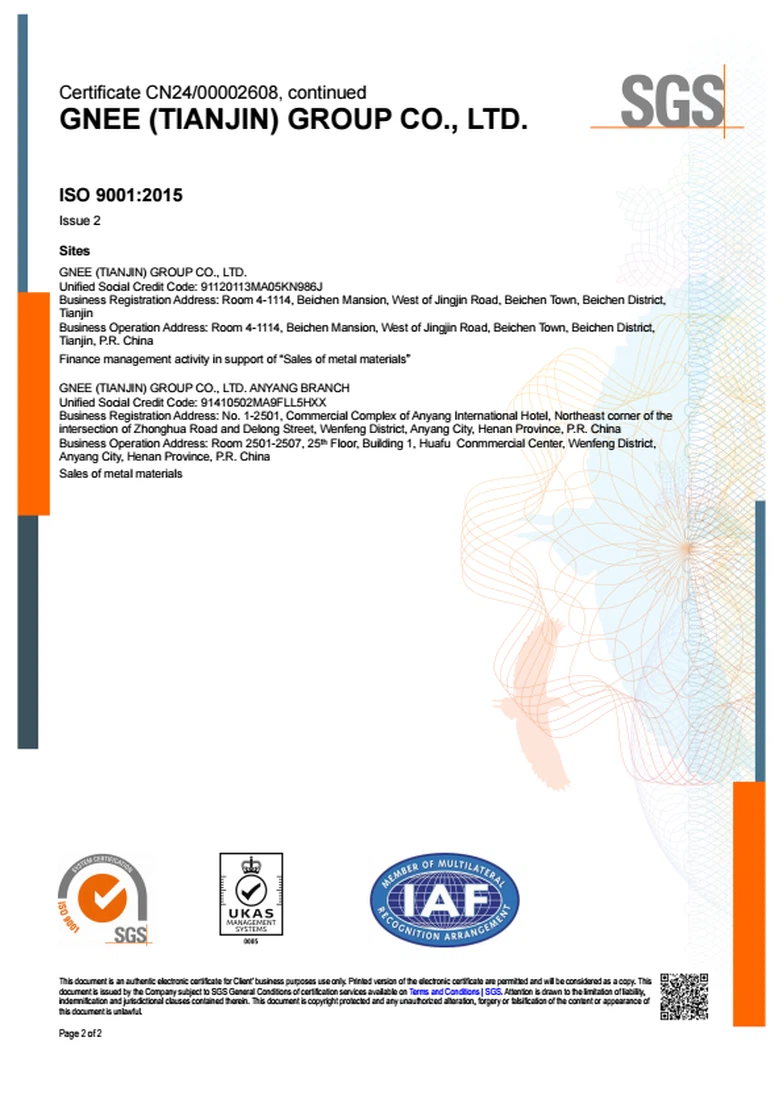
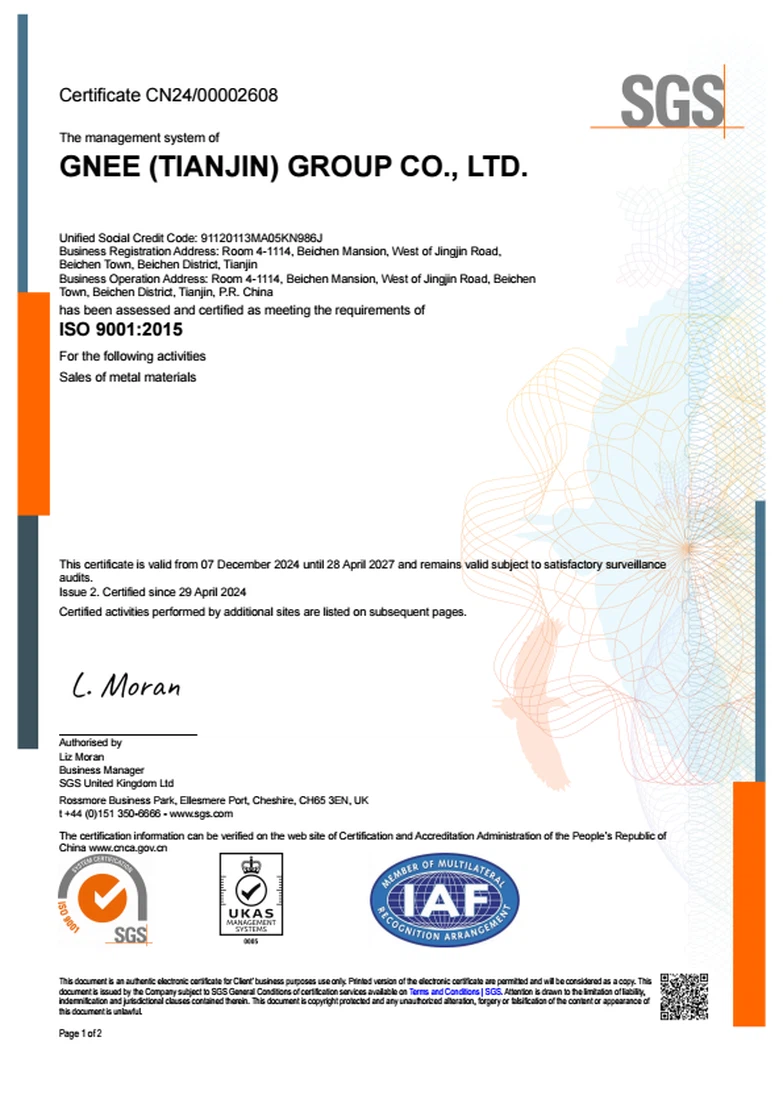
GNEE RAILWAY holds multiple internationally recognized certifications, including CNAS (China National Accreditation Service for Conformity Assessment), ISO 9001, CE, and SGS, demonstrating our compliance with global quality and safety standards.

Global Market Presence

GNEE RAILWAY maintains an established global supply footprint, delivering engineered track components and fastening assemblies to key transportation networks, industrial zones, and maritime ports across multiple continents.


First 1234 Last 1/4


Specification


Classification

Height (mm)

Head (mm)

Bottom (mm)

Thick (mm)

Weight (kg/m)

Light Rail

8 KG/M

65

25

54

7

8.42

9 KG/M

63.5

32.1

63.5

5.9

8.94

12 KG/M

69.85

38.1

69.85

7.54

12.2

15 KG/M

79.37

42.86

79.37

8.33

15.2

18 KG/M

80

40

80

10

18.06

22 KG/M

93.66

50.8

93.66

10.72

22.3

24 KG/M

107

51

90

10.9

24.46

30 KG/M

107.95

60.33

107.95

12.3

30.1


Types of Steel Rail


The steel rail produced by our company mainly include the following types:

 
01
 

Heavy Rail

GB heavy rails are crucial components in the rail infrastructure, designed to endure substantial loads and facilitate smooth train operations.

 
02
 

Light Rail

Light rail is mainly used in forest region, mines, factories and construction sites laid of the place such as temporary transport line and light locomotive dedicated line.

 
03
 

Crane Rail

GB crane rails are the core support for the stable operation of various lifting equipment, among which QU70 Rail, QU80 Rail, QU100 Rail and QU120 Crane Rail are commonly used models.

U75V U71Mn 60kg Steel Rail


Advantages of Steel Rail


Strength

One of the most important benefits of steel is its incredible strength—that’s one of the driving factors of why it’s such a popular building material. Steel rails are strong enough to withstand heavy loads and extreme forces, and they will provide excellent support to the people who use them.


Durability

Steel rails are also highly durable and will last for years or even decades. They will remain in great shape even under the press of thousands of hands. This makes steel rails a cost-effective option and an eco-friendly one—not only will you get great value for your money, but since you won’t have to replace the railings any time soon, you will save natural resources as well.


Design Flexibility

A third benefit of steel rails is the design flexibility they offer. Our team has the right experience to shape your steel rails into just about any shape or silhouette you could want, which means we can help you give your building’s stairs a more personal touch.


Applications of Steel Rail

Public transportation - Passenger railroads, underground railroads, trams.

Freight logistics - Bulk material transportation.

Cranes - Fixed rail lifting equipment for short and heavy-haul transportation.


Steel Rail Joint Type

Suspended

With this connection method, the joint sleeper spacing can be reduced to enhance the joint's anti-buckling ability. The advantage of this connection is that the elasticity is better.


Single-bearing pad type

When using a single bearing pad, the sleeper loses stability due to the unevenness of the sleeper.


Double-bearing pad type

When using the double-bearing pad, the bearing joint of the fishplate is lightly stressed. As the sleeper supports the rail head, the winding at the joint is small.


Steel Rail Manufacturing Process


Pretreatment

It starts with the pretreatment of molten iron. The main purpose is to further reduce the content of harmful impurities in the molten iron.

Refining

Adopt the refining technology outside the furnace. The main function is to further adjust the molten steel composition and molten steel temperature, reduce the inclusion content, and ensure the accuracy of the molten steel composition during tapping.

Vacuum Degassing

Vacuum degas the molten steel after steelmaking to further reduce the content of hydrogen, oxygen and other gases dissolved in the molten steel.

Continuous Bloom Casting

Put the molten steel into the ladle, and lift it to the top of the continuous casting machine by the overhead crane. Pour the liquid steel into the continuous casting machine to cast a slab.

Rolling

The steel slab is then directly entering a machine called rolling mill which squeezes the rectangular steel into T-shaped tracks and stretches the rails out more than quadrupling its length.

Heat treatment

The popular heat treatment is quenching and tempering or slack quenching. Some countries tried to improve the yield strength and tensile strength of railroad tracks by controlling the temperature of rolling or online heat treatment.

Straightening

After cooling, a straightening machine works on the railroad tracks from both horizontal and vertical directions.

Inspection

Railroad track inspection is also an important step. Check the surface and inner defect of railroad tracks through ultrasonic and eddy current inspection.

Sawing and drilling

Use a carbide machine with hard alloy to process and drill the railhead to obtain high accuracy.


Packaging and Shipping


Packaging

Bundled with high-strength steel straps (grouped by type/specs/length), with support frames for longer rails to avoid deformation.

Shipping

Shipping by sea, by air, by express are acceptable. According to your requirements.


Our Factory


Henan Gnee Railway Equipment Co., Ltd. is one of China's leading exporters of railway equipment, with decades of experience in delivering high-quality rail solutions worldwide.


productcate-743-588

productcate-1128-592


Our Certificates


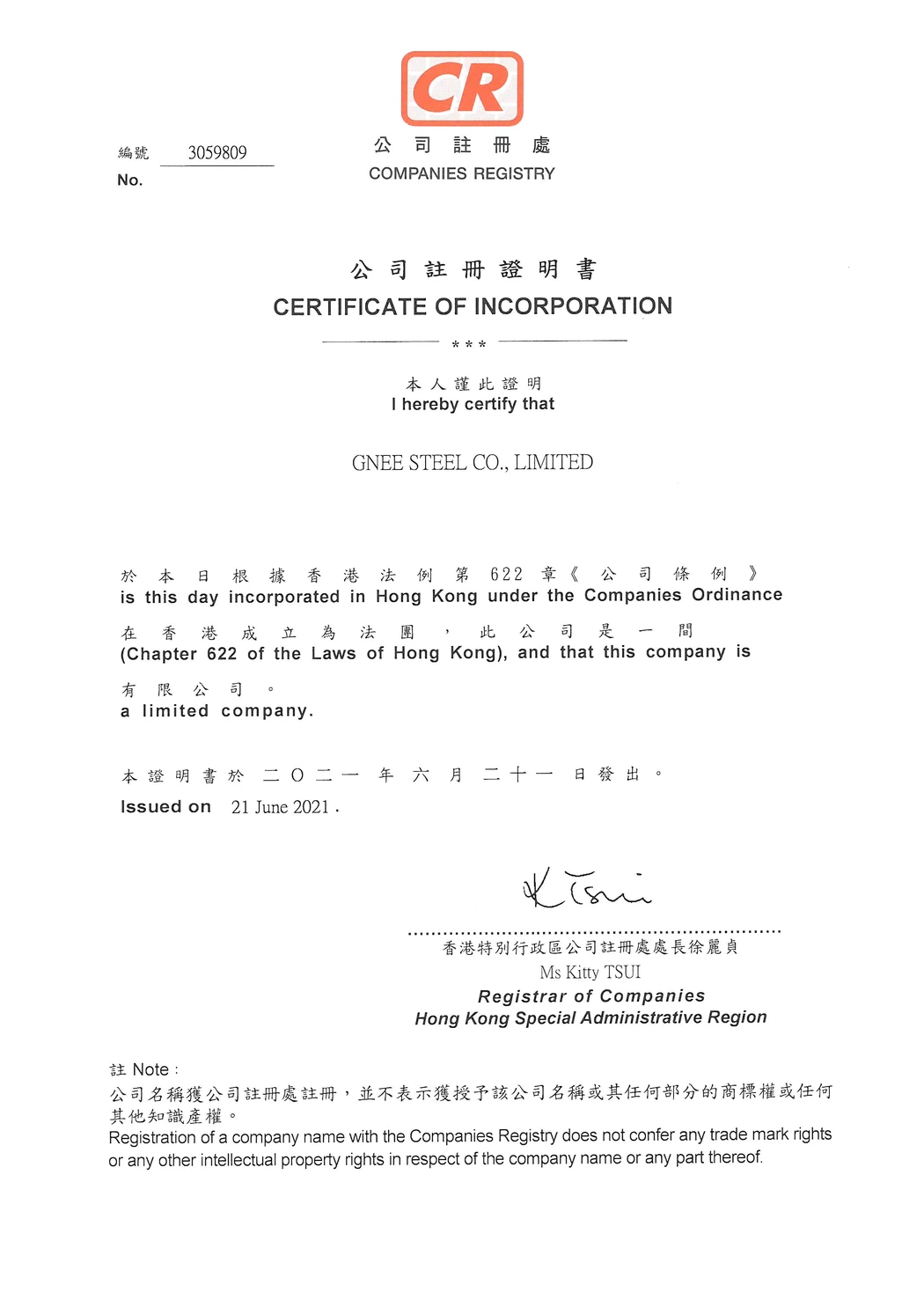
GNEE RAILWAY Registration Certificate

SGS
SGS

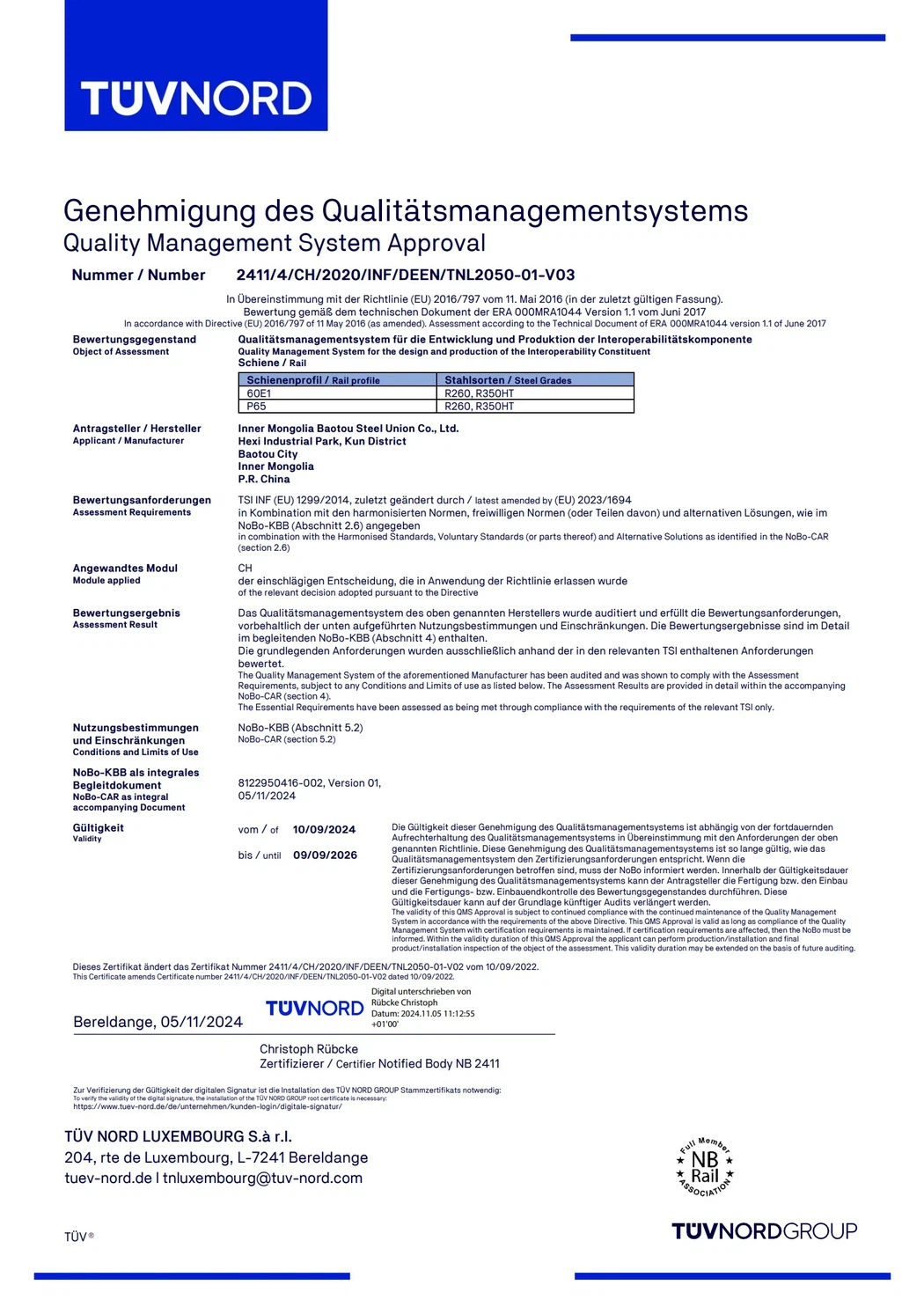
TSI


FAQ


Q: What are steel rails?

A: Steel rail is a type of steel bar that has a long, rectangular cross-section in the shape of an I or U. It is used to install railway tracks, and tracks for specialized vehicles such as cranes, trolleys, and locomotives, etc.

Q: What grade of steel is used for rails?

A: Most modern railway tracks are made of hot rolled steel with a grade of 1084 or higher. This is a medium carbon steel, made by rolling rail steel with natural iron ore.

Q: How to determine rail size?

A: To determine rail size, you need to identify its key physical dimensions (height, base width, head width, web thickness) and its weight per unit length, typically in pounds per yard (lb/yd) or kilograms per meter (kg/m). For model rail, track "code" numbers directly indicate the rail height in thousandths of an inch (e.g., Code 100 is 0.1 inches tall). You can find the specific dimensions by taking measurements and comparing them to rail section charts, or by finding mill marks rolled onto the rail's web and cross-referencing them with a catalog.

Q: What are the two most common materials used for rails?

A: Aluminium Railings. Aluminium is a strong and sturdy material that is resistant to the elements, which means that it won't rust, corrode, or warp over time.
Wrought Iron Railings. Wrought iron railings are a classic option for both residential and commercial properties.
Cable Railings.
Wooden Railings.

Q: What metal is used for rails?

A: Steel is used to make rails for railway lines. This steel must be hard wearing & resistance to crocking. These properties of steel depend upon the proportion of carbon & manganese that it contains. Carbon upto maximum of 0.82% and manganese, to a maximum of 1.7%, are needed to produce hard, wear resisting steels.

Q: Why do rails have specific distances?

A: To allow the linear expansion rails.In summer temperature of atmosphere increases so rails will expand. If no gap is given between rails then the rails will bend it leads to accidents If gap is given the rails will expand into that gap and that track is safe.

As one of the leading steel rail manufacturers and suppliers in China, we warmly welcome you to buy high-grade steel rail for sale here from our factory. All customized products are with high quality and competitive price.

(0/10)

clearall