


HDPE Railway Rail Pads
In modern railway track engineering, the stability, safety, and durability of track structures directly affect train operation efficiency and passenger comfort. HDPE Railway Rail Pads (High-Density Polyethylene Railway Rail Pads), as one of the core components of the track rail fasteners system, play an irreplaceable role in track shock absorption, load distribution, and rail protection by virtue of their excellent physical properties and engineering applicability.
Product Description
In modern railway track engineering, the stability, safety, and durability of track structures directly affect train operation efficiency and passenger comfort. HDPE Railway Rail Pads (High-Density Polyethylene Railway Rail Pads), as one of the core components of the track rail fasteners system, play an irreplaceable role in track shock absorption, load distribution, and rail protection by virtue of their excellent physical properties and engineering applicability.
Rail Sleeper Pad is a general term for the cooperative relationship between rail pads and sleepers, and HDPE Railway Rail Pads are one of the most commonly used types in sleeper pads
GNEE RAILWAY RAILWAY can provide railway pads made of various materials, such as rubber pads, EVA pads, etc., and can also customize products according to customer requirements.

Core Characteristics and Functions of HDPE Railway Rail Pads
HDPE Railway Rail Pads are elastic buffer pads processed and formed through special techniques with high-density polyethylene (HDPE) as the main raw material, typically installed between the rail and the sleeper (or track slab). Their core functions are reflected in the following aspects:

Shock Absorption and Buffering
During train operation, wheel-rail contact generates high-frequency vibrations and impact forces. HDPE rail pads absorb part of the energy through their own elastic deformation, reducing the transmission of vibrations to sleepers and foundation structures, and lowering track noise and component wear.
Insulation and Corrosion Resistance
HDPE materials possess excellent electrical insulation, which can prevent track circuit interference; meanwhile, their strong chemical stability enables them to resist erosion from rainwater, soil, and microbial corrosion.
HDPE Railway Rail Pads Material Specifications
|
Technical Parameter |
Unit |
Technical Requirement |
Value |
|
Density |
g/cm3 |
0.95-0.98 |
0.95 |
|
Tensile Strength |
Mpa |
≥19 |
19 |
|
Elongation |
% |
>80 |
150 |
|
Melting Point |
℃ |
170-190 |
190 |
|
Insulation Resistance |
Ω |
≥1×10¹⁰ |
3.5 ×10¹⁰ |
|
Hardness |
A |
≥98 |
98(A) |
Contact Us
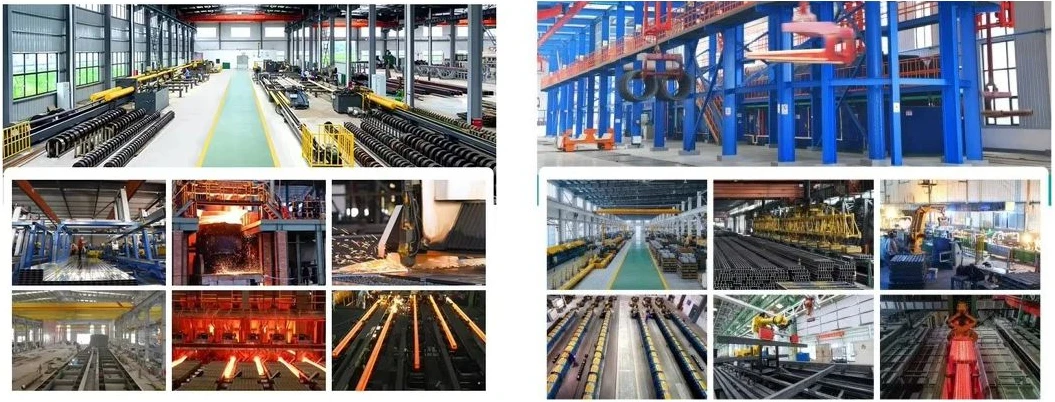
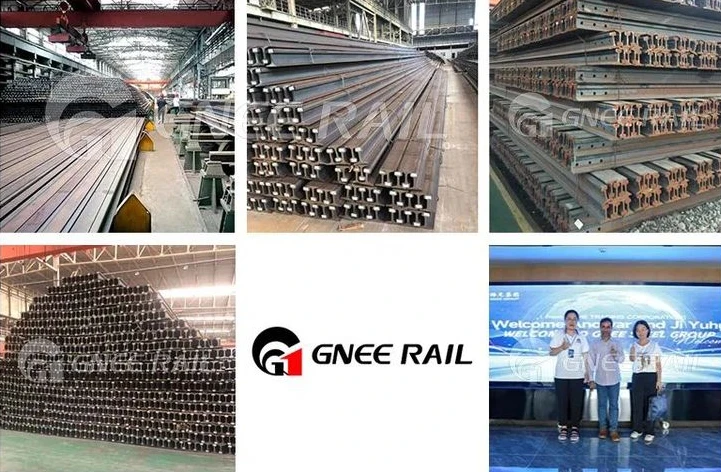
GNEE RAILWAY RAILWAY is a professional enterprise engaged in the research, development and production of railway fastening systems, providing comprehensive fastening solutions for global rail transit projects. We mainly supply various types of railway fastener systems, including series products such as elastic bar fasteners for high-speed railways, special fasteners for heavy-haul lines, and urban rail transit fasteners. Our product line covers key components such as elastic bars, buckle plates, insulated gauge blocks, under-rail pads, and spikes, which can meet the design requirements of different track structures. Meanwhile, we can also provide customized fastening solutions according to special engineering requirements. For detailed product information, please feel free to contact the professional team of GNEE RAILWAY RAILWAY at any time.
Hot Tags: hdpe railway rail pads, China hdpe railway rail pads manufacturers, suppliers, factory, Vibration Reducing pad, high quality synthetic rubber rail pad, rail fittings system components, Wear resistant pads, railroad spikes, elastic rubber rail pad


Send Inquiry
