


What is the rail joint?
Jul 10, 2026

Rail joints connect adjacent steel rails to maintain track alignment and transfer wheel loads safely across the joint. They are widely used in conventional railway tracks, industrial railways, mining lines, port rail systems, and temporary track installations where welded rail is not practical or where periodic maintenance and replacement are required.
This article provides an overview of rail joints, including their primary functions, main classifications, international manufacturing standards, and key maintenance practices.
Definition and Primary Functions of a Rail Joint
A rail joint is a mechanical connection used to secure the ends of two adjacent rails together while maintaining rail alignment, transferring wheel loads, and providing a continuous running surface for trains. Although Continuous Welded Rail (CWR) has become the standard for most high-speed railways, rail joints continue to play an important role in conventional railways, urban transit systems, industrial sidings, and track sections requiring electrical isolation or specialized rail transitions.
Because rail joints must match the rail profile, hole pattern, and applicable standard, selecting the correct joint bar is essential for safe installation and long-term track performance.
The primary functions of a rail joint include:
- Alignment Preservation: Maintains the vertical and horizontal alignment of adjacent rails, providing a smooth transition for rolling stock.
- Load Distribution: Transfers wheel loads between adjacent rails, reducing impact forces and minimizing stress concentration at the rail joint.
- Thermal Expansion Management: An expansion gap between rail ends accommodates the thermal expansion and contraction of steel rails caused by temperature changes.
- Electrical Insulation (where required): Insulated rail joints use non-conductive components to isolate track circuits and support the reliable operation of railway signaling systems.
The required function determines the type of rail joint selected. Standard fishplates are typically used for mechanical rail connections, while insulated rail joints are required where electrical isolation of track circuits is necessary.
Key Types of Rail Joints
Rail joints are available in different configurations to accommodate varying rail profiles, structural requirements, and electrical applications. Selecting the correct joint type depends on factors such as rail section compatibility, track conditions, and signaling requirements.
A. Standard Rail Joints (Common Fishplates)
Standard rail joints are the most widely used type of joint bar for connecting rails of the same profile and weight. They are commonly manufactured with four- or six-bolt hole configurations and may be designed with flat or angle-bar profiles, depending on the track structure. Each joint bar is manufactured to match a specific rail profile, bolt-hole pattern, and applicable railway standard, ensuring proper alignment and secure load transfer.


B. Compromise Rail Joints
Compromise rail joints (also known as step joint bars) are designed to connect two rails with different profiles, weights, or wear conditions. Their stepped geometry compensates for differences in rail height or head profile, helping maintain wheel continuity and reduce impact at the transition. Because these joints must precisely match both rail sections, rail dimensions and technical drawings are typically verified before manufacturing to ensure proper fit and long-term performance.


C. Insulated Rail Joints (IRJs)
Insulated rail joints are used where electrical isolation between adjacent rail sections is required, particularly in track circuit signaling systems. They incorporate non-conductive components, such as insulating liners, bushes, and end posts, to prevent electrical current from passing between rails while maintaining the mechanical strength needed to withstand repeated wheel loads.


Our technical team can recommend compatible rail joints based on your rail profile, applicable standard, and project requirements.
International Standards and Specifications of Rail Fishpalte
Rail joints must be manufactured to match the applicable rail standard and rail profile. Because rail dimensions, bolt-hole patterns, and mechanical requirements vary between standards, selecting the correct joint bar is essential for proper installation, load transfer, and long-term track performance.
The table below summarizes several widely used rail joint standards and their typical applications.


| Standard System | Applicable Regions / Standards | Common Rail Profiles Covered | Typical Materials & Heat Treatment |
|---|---|---|---|
| AREMA | North America (USA, Canada) | 115RE, 119RE, 132RE, 136RE, etc. | Medium-carbon steel, quenched and tempered |
| UIC / European | Europe, South America, parts of Asia | UIC54, UIC 60 (E54, E60) | Structural steel meeting specified mechanical requirements |
| British Standards (BS) | United Kingdom and Commonwealth countries | BS 75R, BS 80A, BS 90A, etc. | High-tensile carbon-manganese steel |
| DIN / GB / AS | Germany, China, Australia | S49, 50 kg/m, 60 kg/m, etc. | Steel qualified for fatigue and impact performance |
GNEE RAIL supplies rail joint bars for international railway projects in accordance with applicable standards such as AREMA, UIC, BS, DIN, JIS, and GB. Material certificates and dimensional inspection reports are provided to support product verification. Depending on the project specification, joint bars are manufactured from medium-carbon steel or alloy steel with appropriate heat treatment to meet the required mechanical properties and long-term service performance.
Need to Match a Rail Joint to Your Rail Standard?
Share your rail profile, standard, or technical drawing, and we'll help verify the correct joint bar specification for your project.
Quality Assurance and Technical Support for Rail Joints Bar
The long-term performance of a rail joint depends not only on proper installation and maintenance but also on manufacturing quality. Common issues such as bolt-hole cracking, excessive fishplate wear, and dipped joints are often associated with improper material selection, inadequate heat treatment, dimensional inaccuracies, or insufficient maintenance. Selecting joint bars manufactured to the correct specifications helps reduce these risks and supports reliable track performance throughout their service life.
At GNEE RAIL, all rail joint bars are manufactured to meet the applicable international standards and project specifications. Each production batch undergoes strict quality control, including raw material verification, dimensional inspection, mechanical property testing, and heat treatment control to ensure consistent product performance. Material Test Certificates (MTCs) and inspection reports are available upon request to support project quality verification.
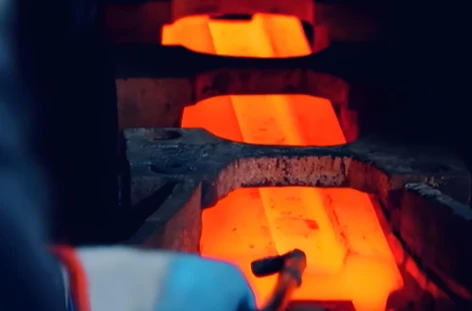

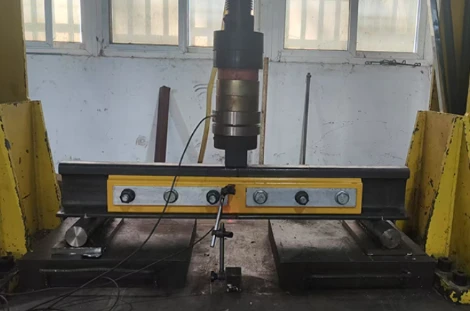
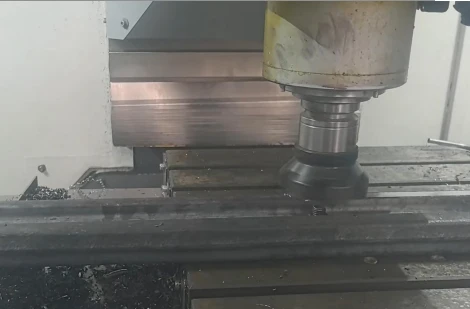

PI--GNEE RAIL Export of 60E2 Rail Joint Bars to Dubai
Beyond manufacturing, GNEE RAIL provides comprehensive technical and after-sales support throughout the project lifecycle. Our team assists customers with rail profile verification, joint bar selection, drawing confirmation, packaging recommendations, export documentation, and installation guidance. For replacement or maintenance projects, we also help verify compatibility with existing rail systems to minimize installation risks and improve procurement efficiency.


Whether you require standard rail joints, insulated rail joints, or custom compromise joints, our engineering and sales teams are available to recommend suitable solutions based on your rail profile, operating conditions, and project requirements.
Need Technical Support for Your Rail Joint Project?
Whether you're selecting joint bars for a new railway project or replacing existing components, our team can help verify compatibility and recommend the appropriate solution.
Frequently Asked Questions (FAQ)
Q1: Can rail joints be used on high-speed railways?
Modern high-speed railways primarily use Continuous Welded Rail (CWR). However, insulated rail joints (IRJs) are still required at specific locations for track circuits and railway signaling systems.
Q2: How do I choose the correct rail joint?
The correct rail joint should match the rail profile, bolt-hole pattern, and applicable railway standard. GNEE RAIL can assist with specification verification based on your rail drawing or project requirements.
Q3: Does GNEE RAIL provide custom rail joints?
Yes. GNEE RAIL manufactures standard, compromise, and custom rail joints based on customer drawings or technical specifications, with quality documentation available upon request.


